
Last updated September 20, 2026
Full 25-point door and opener safety check with every visit - springs, cables, rollers, tracks, and your LiftMaster or Chamberlain opener included
You get a price before we start. It does not change when the truck arrives.
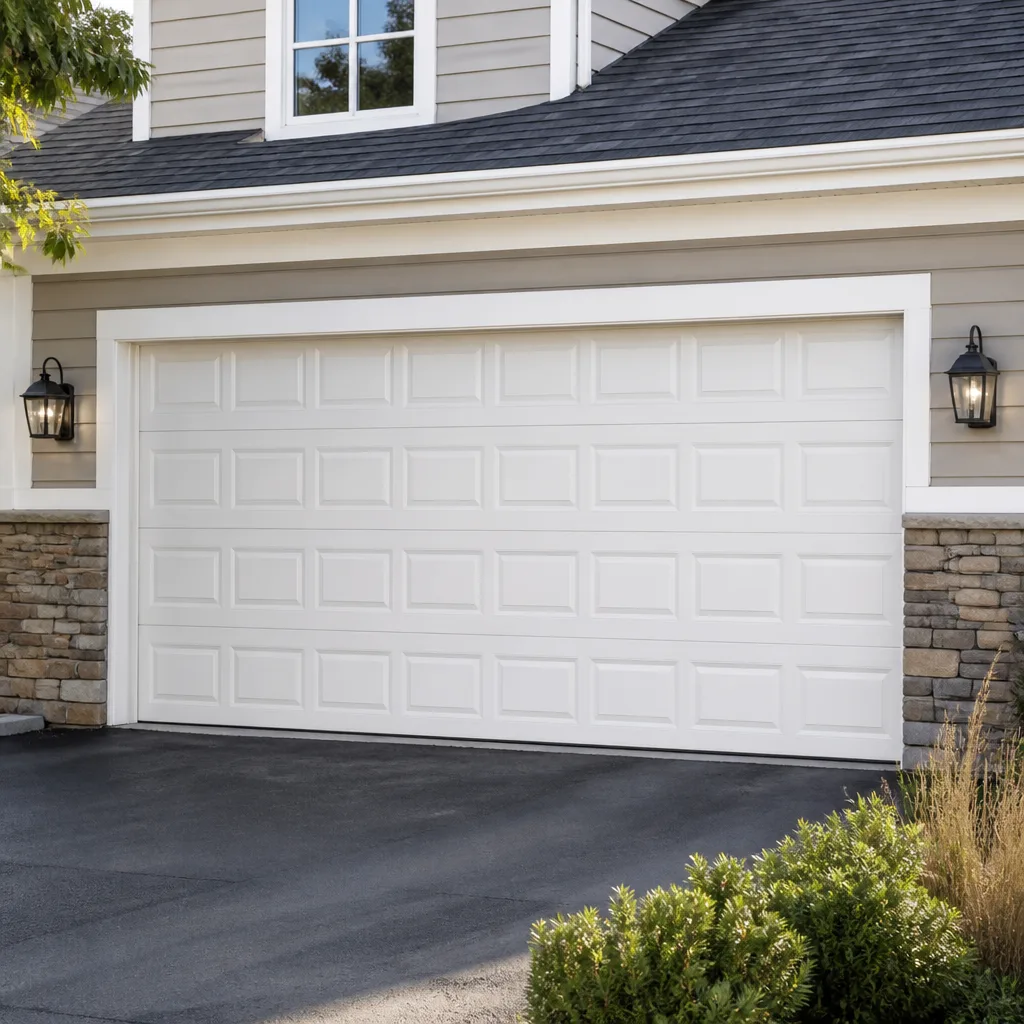
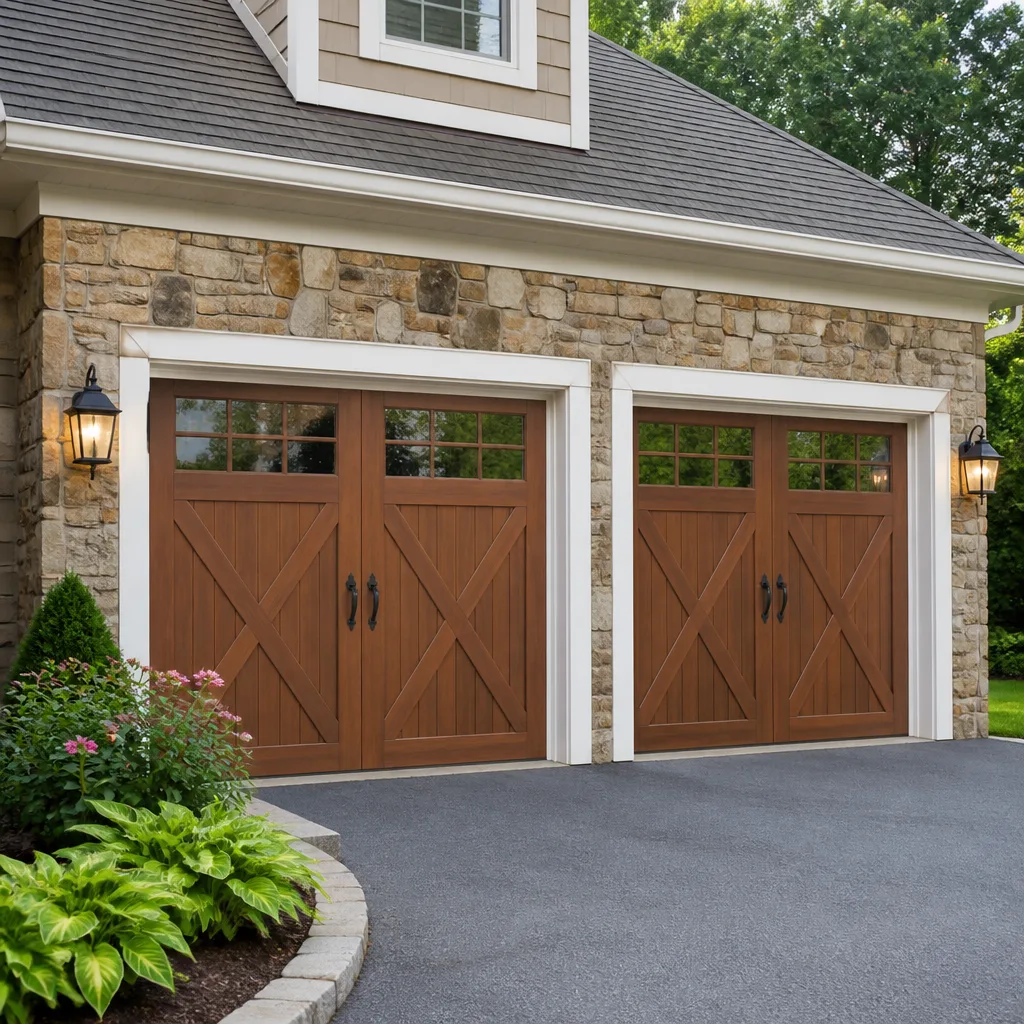
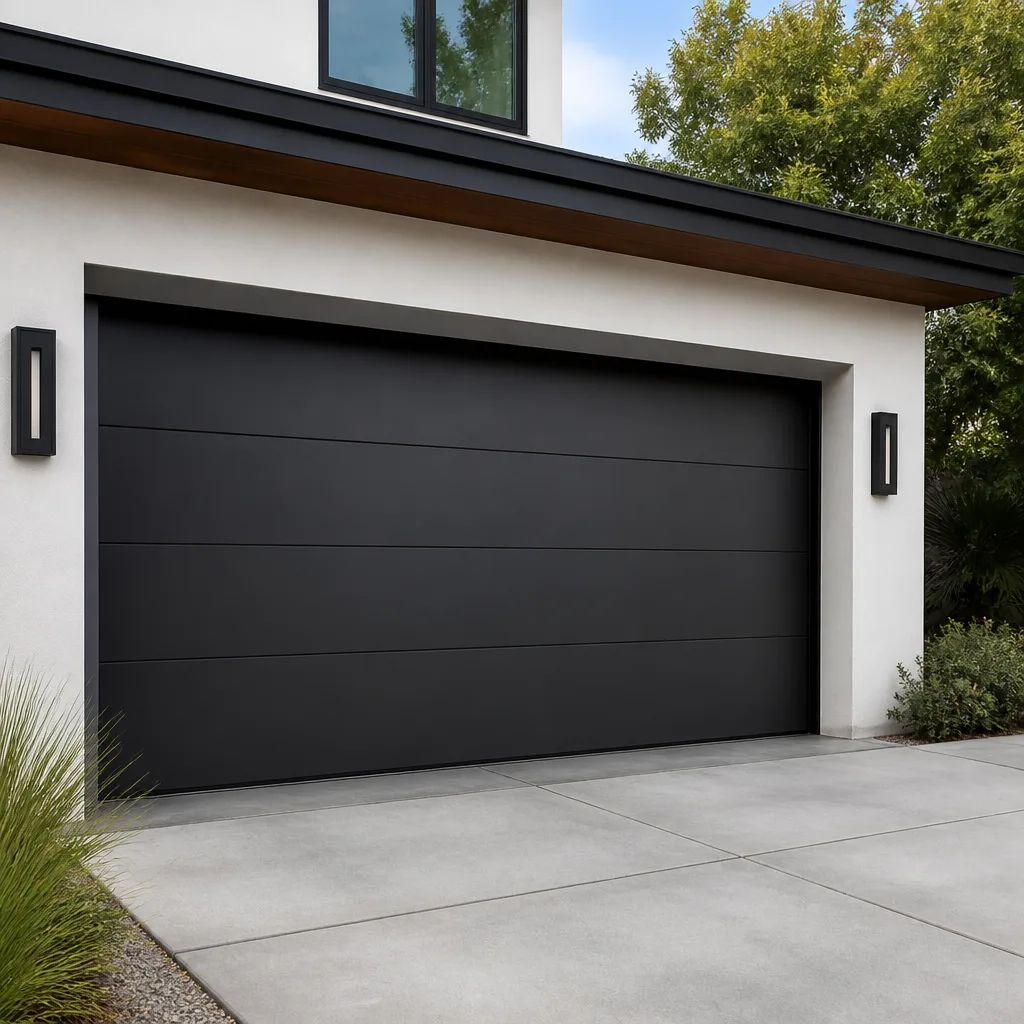
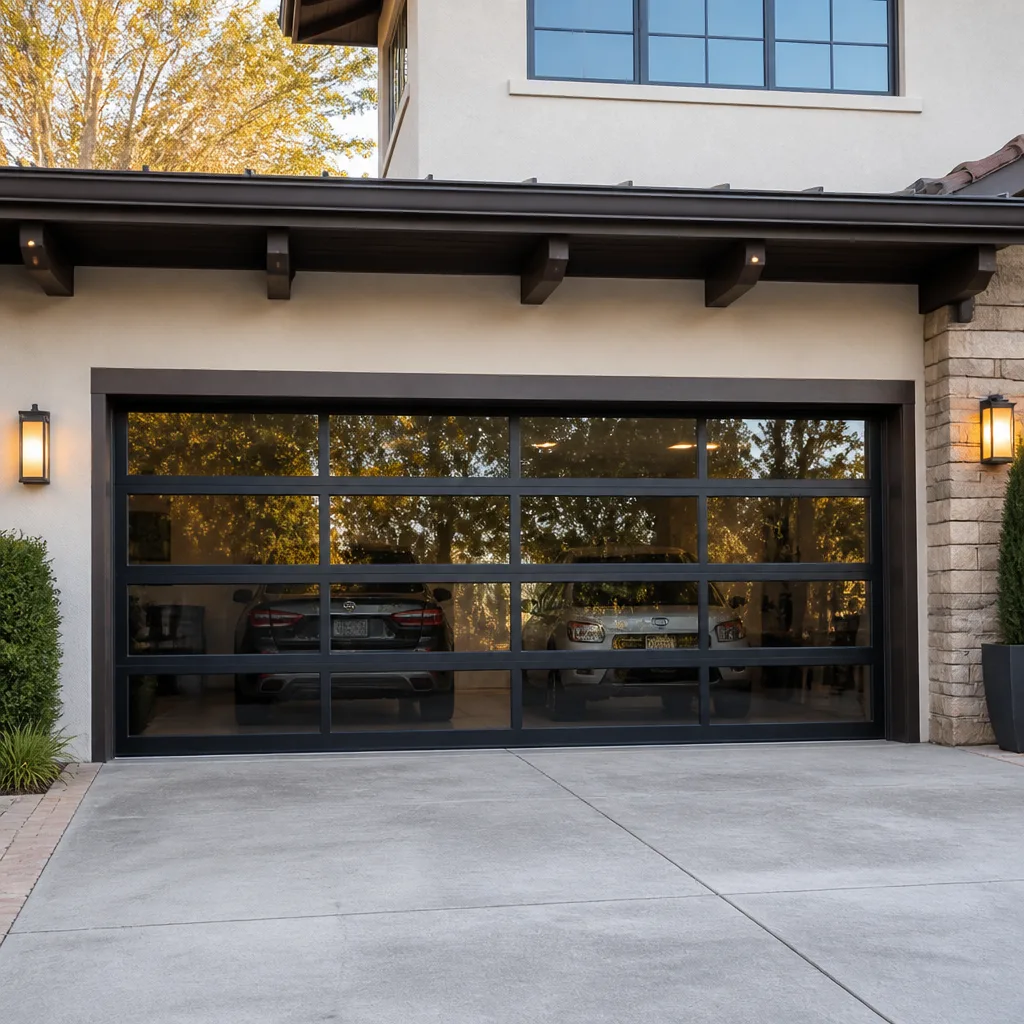
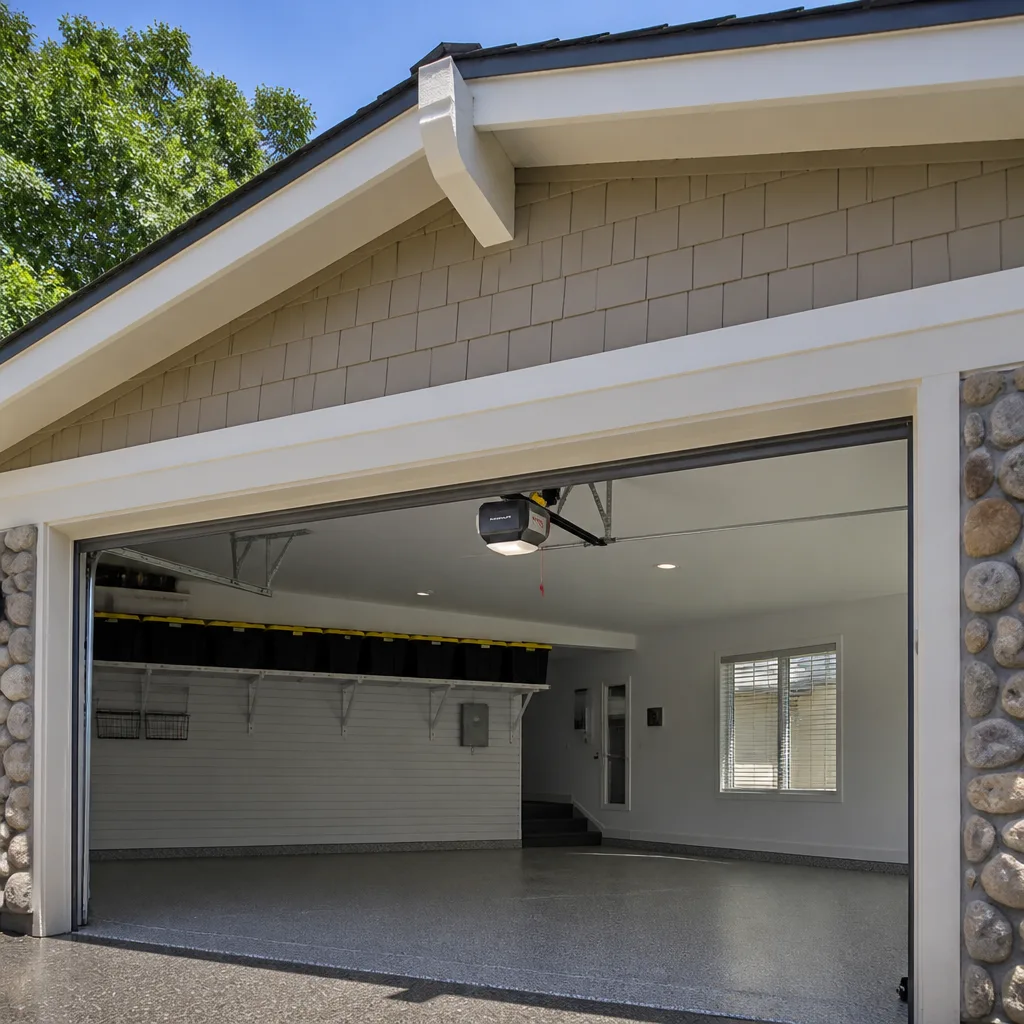
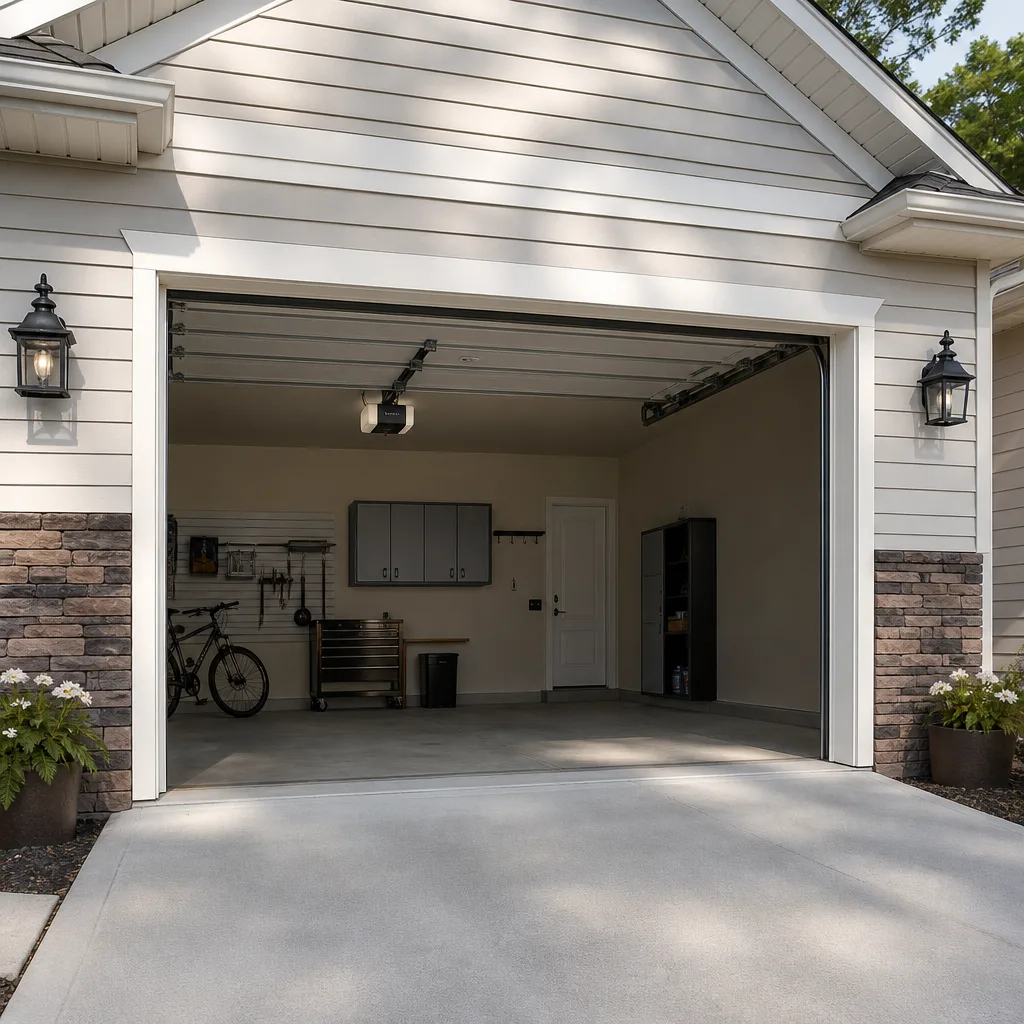
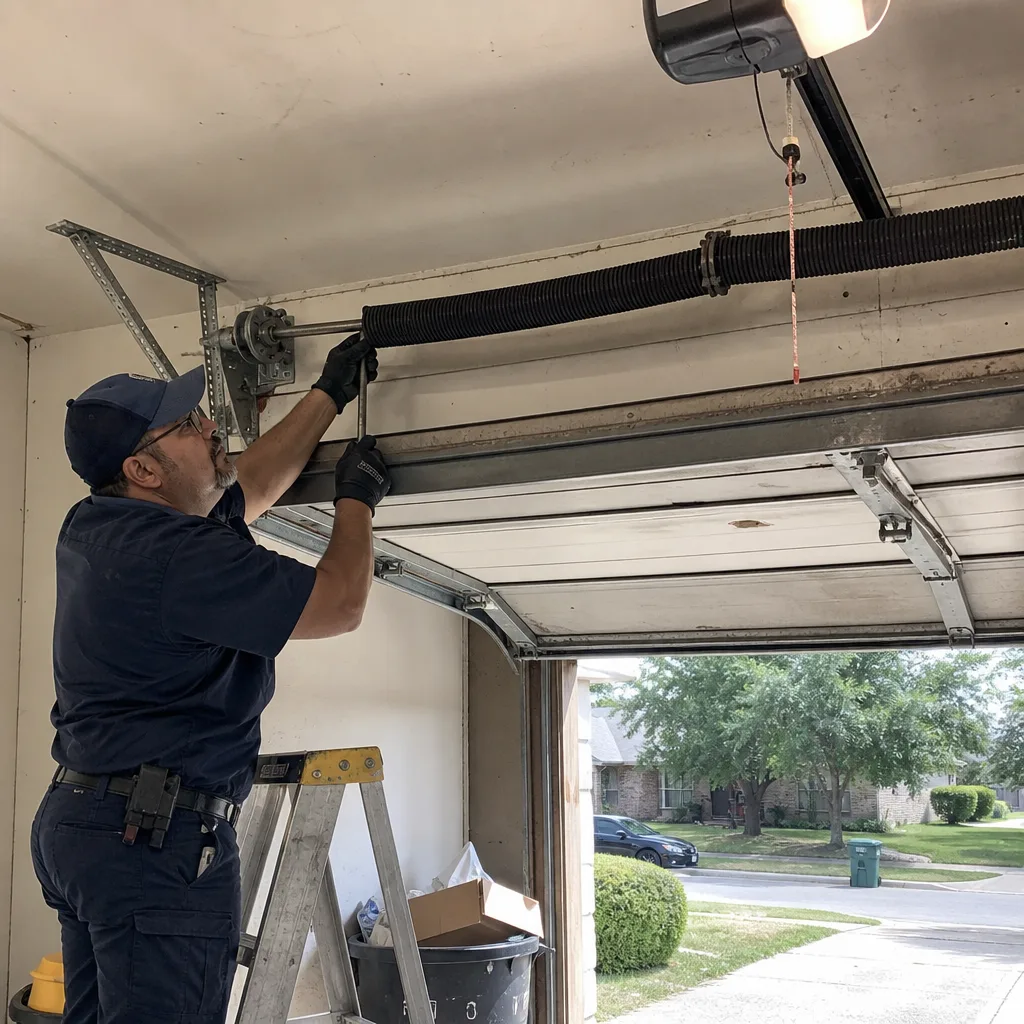 Before
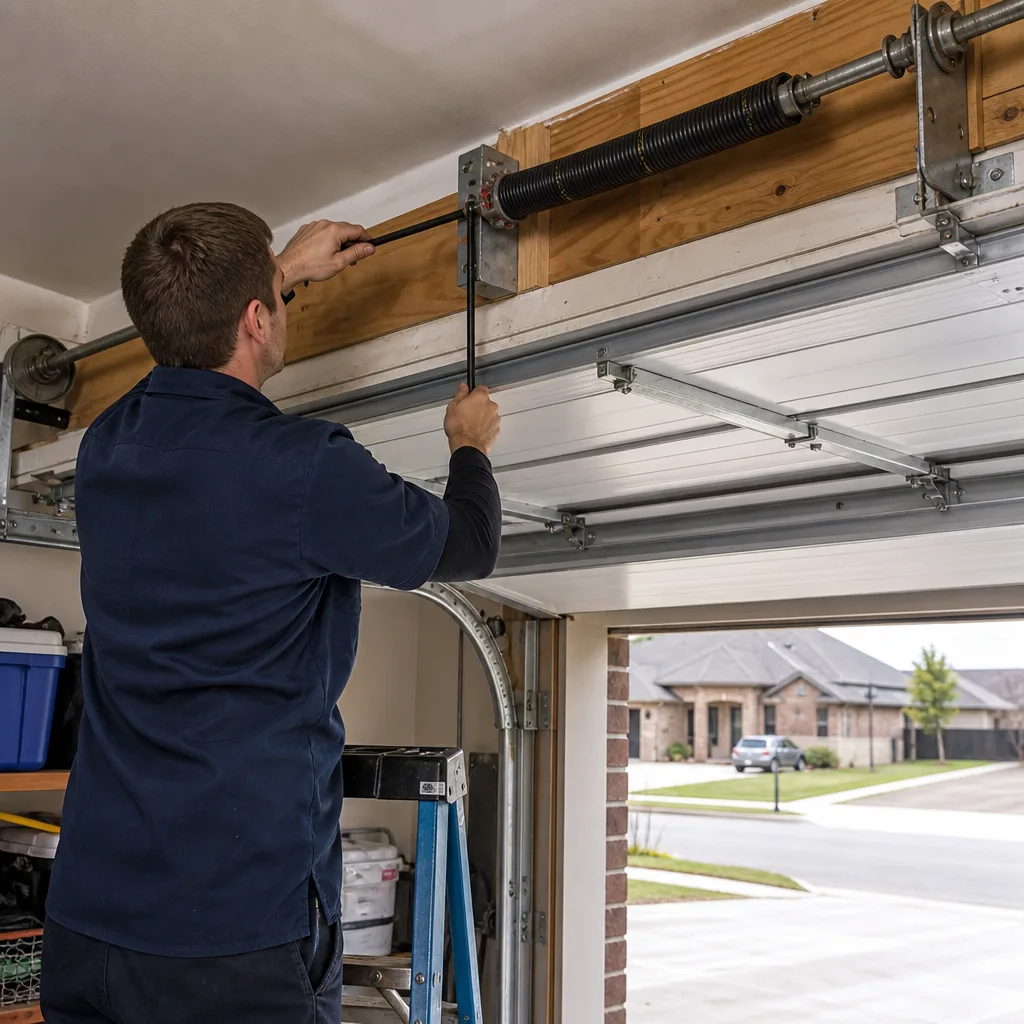 After
After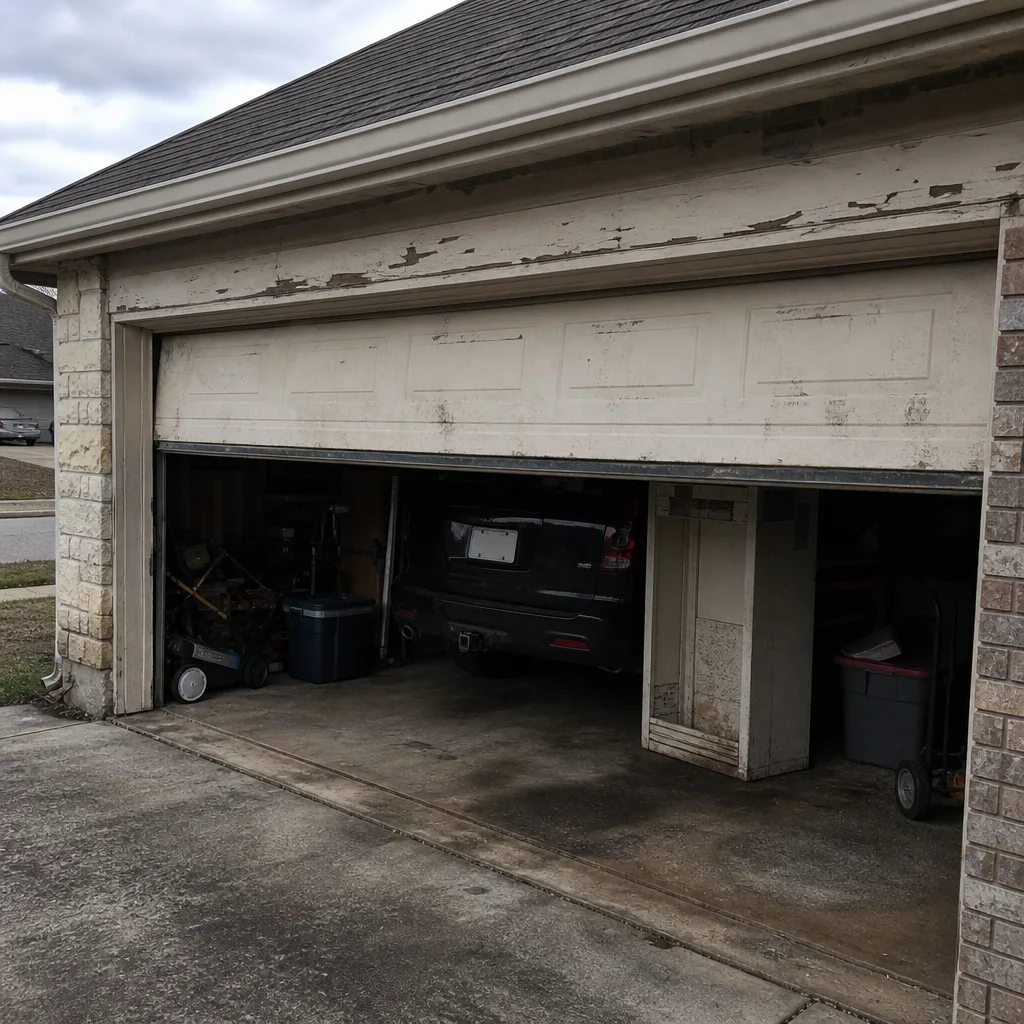 Before
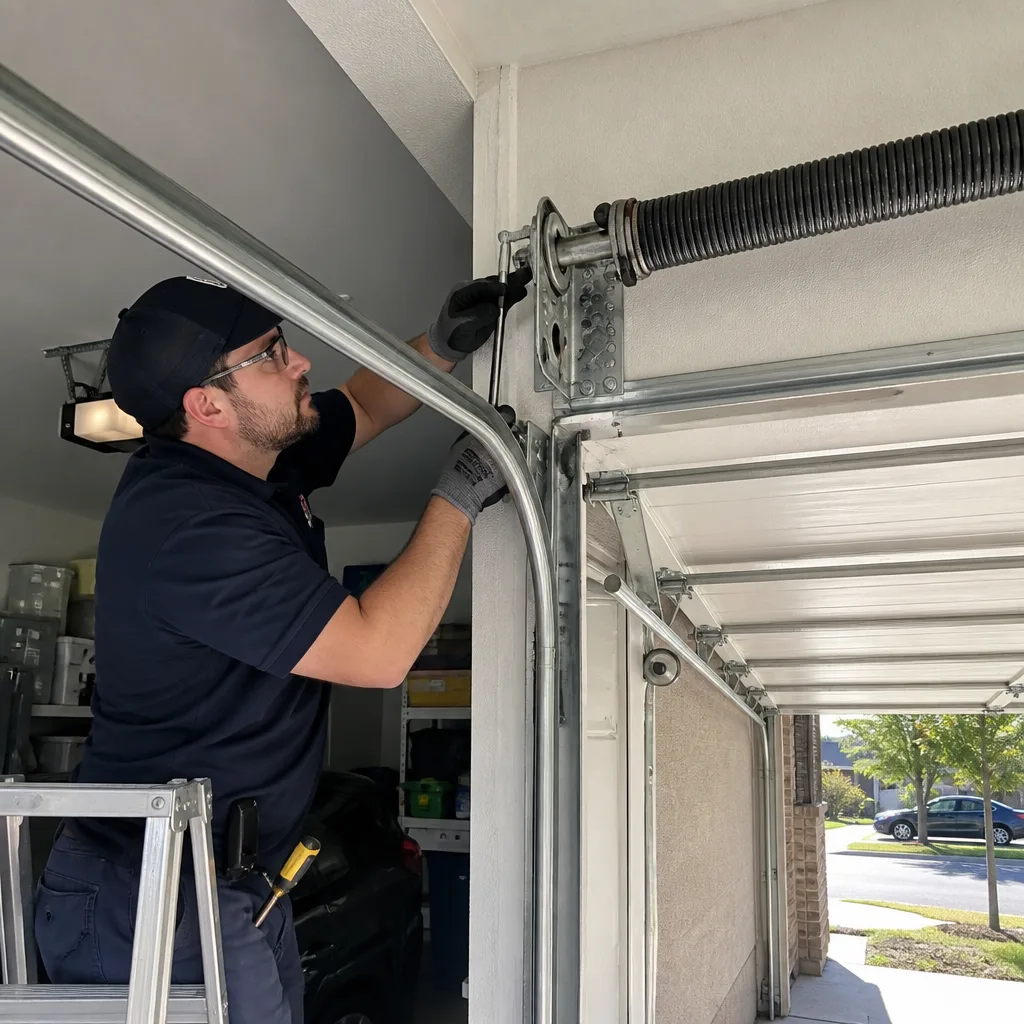 After
After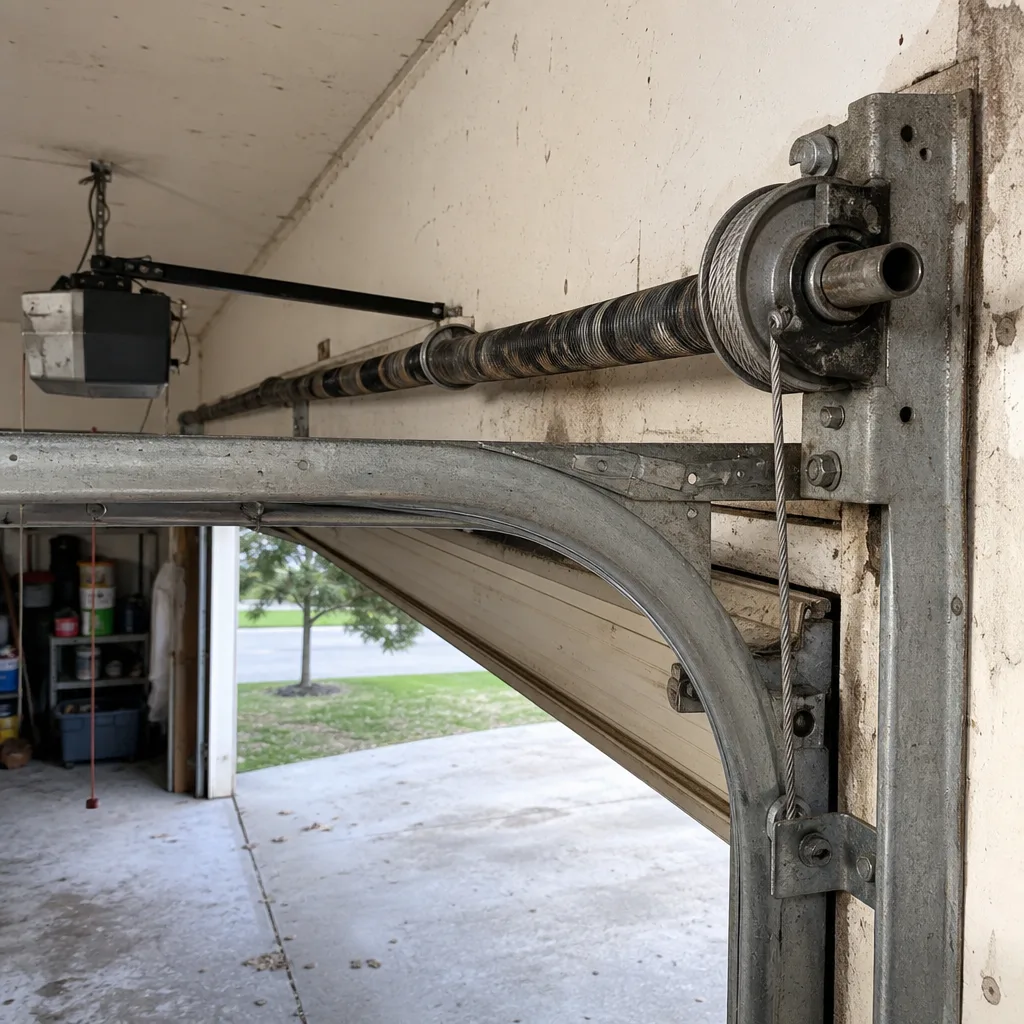 Before
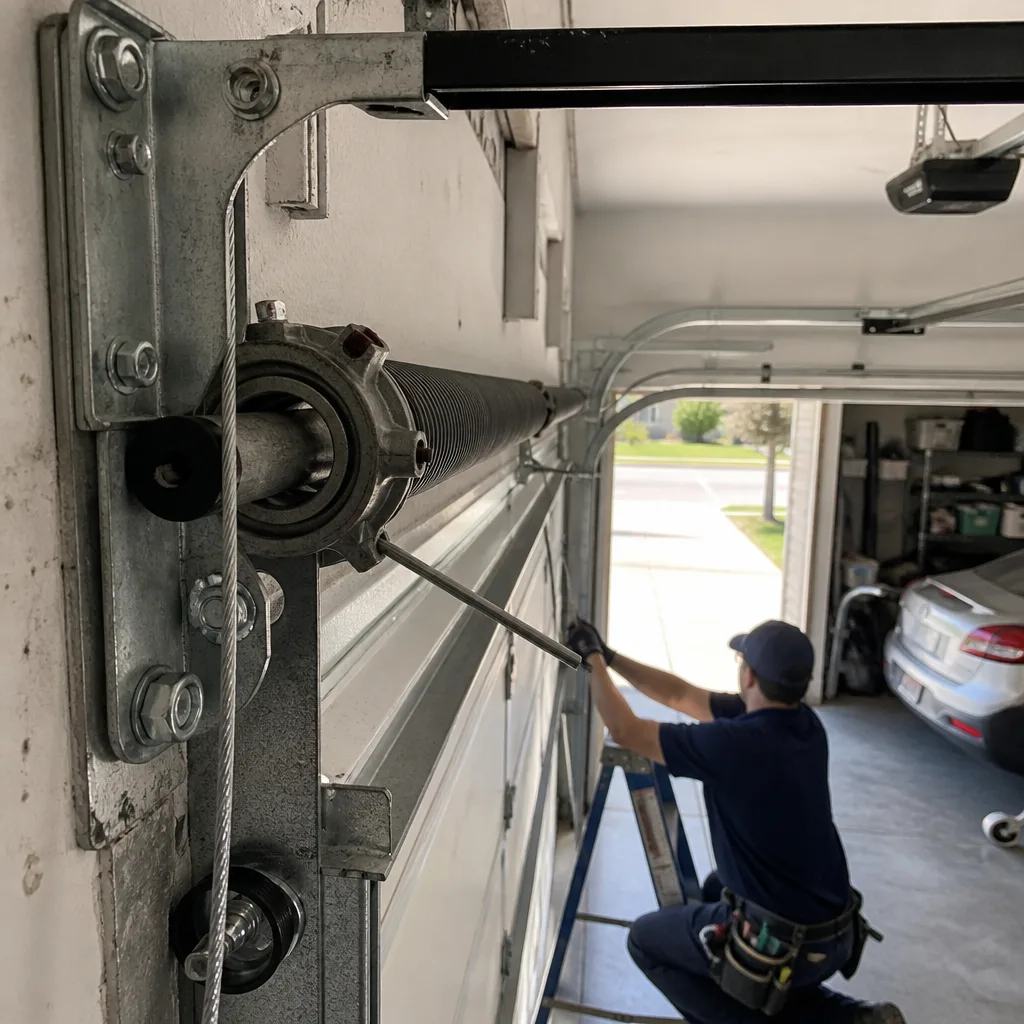 After
AfterSeasonal Garage Door Care for Denton: Year-Round Homeowner’s Guide
Most garage door spring failures in North Texas happen in late February and early November, not mid-winter. That’s because it’s the rapid temperature swing, not sustained cold, that cycles metal fatigue fastest. Denton’s climate doesn’t behave like the national seasonal model most garage door guides assume. Summers run longer and hotter, winters bring ice events without sustained cold, and the transition months drive the most failures. This guide explains what actually breaks here, when it breaks, and what to check before it does.
Quick Answer
Seasonal garage door maintenance in Denton, TX means inspecting and lubricating your door every three months, with heavier attention in September before the first freeze and March after ice season. The two components that fail most often in Denton’s climate are torsion springs, which typically last 7-10 years here (shorter than the national average due to heat cycling), and bottom seal rubber, which Texas summers bake and crack within 2-3 years. A disciplined seasonal inspection takes 20 minutes and catches most problems before they become emergency calls.
Table of Contents
- Why Denton’s Climate Breaks Garage Doors Differently
- Spring: Post-Ice Inspection and Storm Prep (March-May)
- Summer: Heat, Clay Soil, and Circuit Boards (June-September)
- Fall: The September Pre-Freeze Checklist (October-November)
- Winter: Ice Events and Cold Snaps (December-February)
- Lubricant Selection by Season: What Actually Works in Denton
- Clay Soil Settlement and Door Alignment: A Denton-Specific Problem
- Component Lifespans in Denton’s Climate and When to Replace
- Common Mistakes to Avoid
- When to Call a Professional
- Frequently Asked Questions
- The Bottom Line
BeforeAfterWhy Denton’s Climate Breaks Garage Doors Differently
Denton sits in USDA Hardiness Zone 8a, but that’s a gardening metric. What matters for your garage door is the temperature swing profile: an average summer high of 96°F with stretches above 105°F, winter lows that occasionally dip into the teens, and spring and fall transition months where the temperature can move 40 degrees in a single day. National seasonal guides assume four seasons of roughly equal length. Denton really has two dominant seasons, summer and a short winter, separated by volatile transition periods in March-April and October-November.
Metal components respond to these swings differently than they do to steady cold. A torsion spring in Minneapolis endures a long, stable cold season. The same spring in Denton goes through repeated expansion and contraction cycles as the garage interior temperature swings between overnight lows and afternoon highs. Each cycle is a micro-stress on the steel. Over a decade, those cycles accumulate into fatigue cracks that eventually snap, usually during the temperature swing itself rather than the temperature extreme. We see this pattern every year: the first snap of spring usually comes during a late-February warm front, not the January freeze.
Rubber and vinyl components have the opposite problem. They fail from sustained heat and UV exposure, not from cold. Bottom seals, weatherstripping around the door frame, and the rubber gaskets on the opener rail all age faster in Denton than in temperate climates because the sun breaks down the polymer structure. A bottom seal that would last five years in Ohio is typically done in two to three summers here.
Spring: Post-Ice Inspection and Storm Prep (March-May)
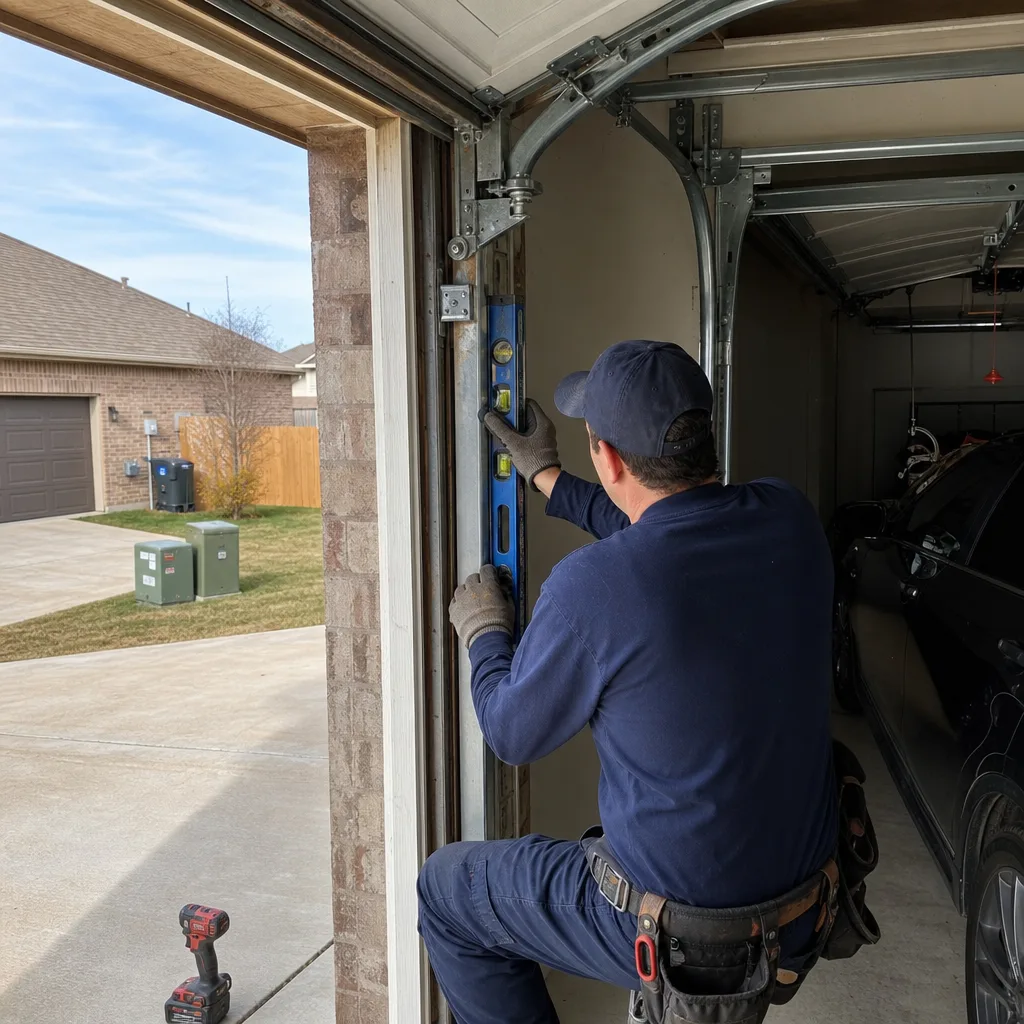
Spring in Denton officially starts in March, but the real signal is the first week where daytime highs rise above 70°F and overnight lows stay above 40°F. That’s when the metal in your door has finished its winter contraction cycle and everything that was stressed by ice is ready to be inspected. Run this checklist in early March, before the April storm season arrives.
The March Post-Ice Checklist
- Cycle the door three times and listen. Stand inside the garage and open and close the door fully. You’re listening for grinding, popping, or rattling that wasn’t there in the fall. A grinding sound from the rollers usually means the bearings are dry. A loud pop from the header area is often the first sign of a torsion spring that’s starting to go.
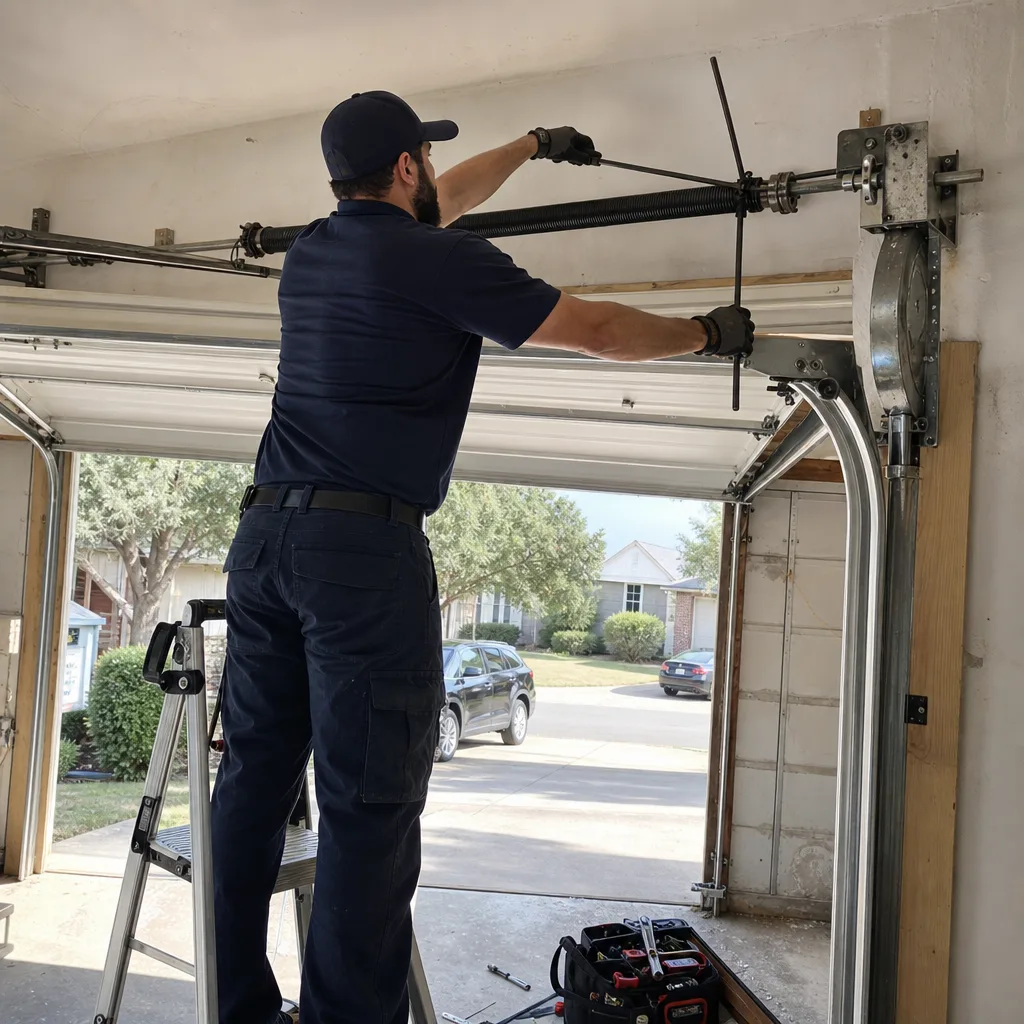
- Inspect the torsion spring. Look at the spring mounted horizontally above the door. Check for gaps in the coil, rust, or a visible separation. If you see a two-inch gap in the coils, the spring is broken. Do not attempt to open the door manually if you suspect a broken spring, the stored energy can release unpredictably and cause serious injury. Call a professional for garage door repair in Denton.
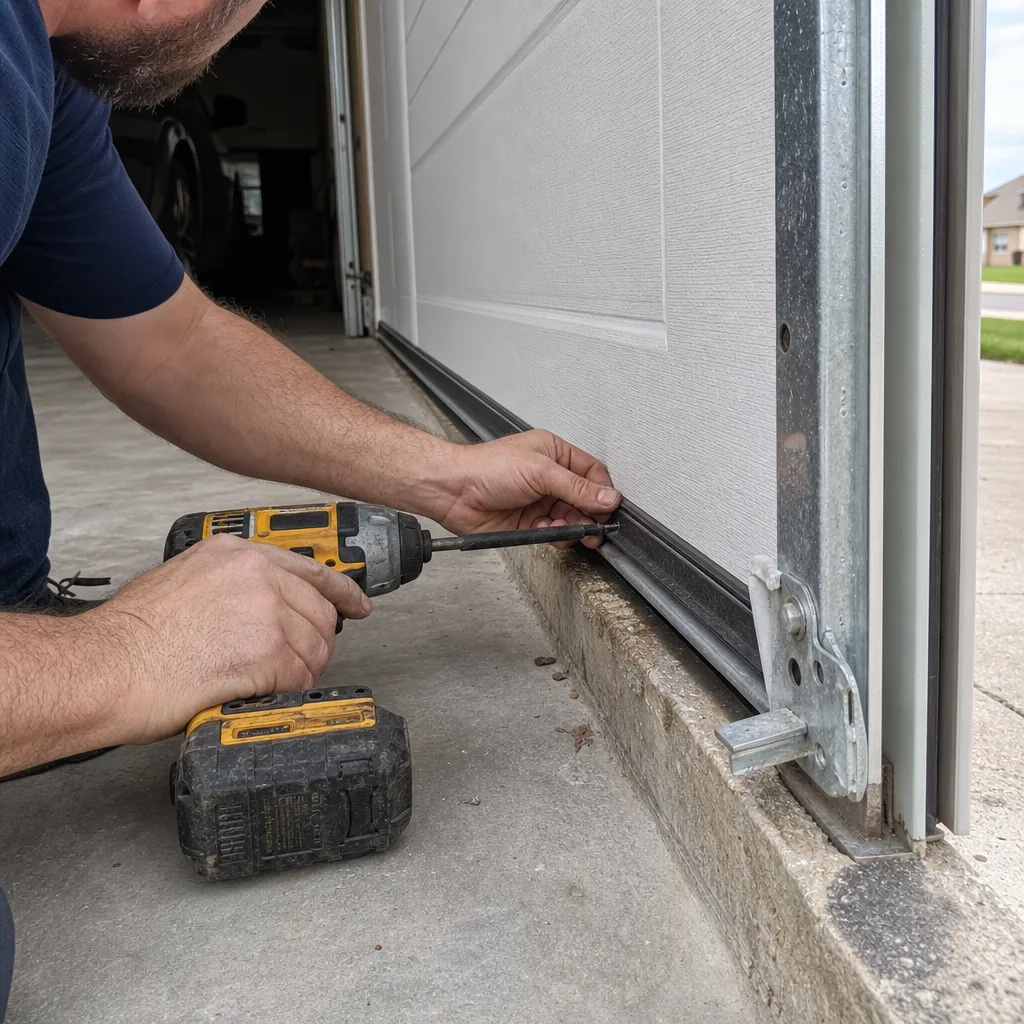
- Check the weatherstripping for ice damage. Ice events cause the rubber seal to stick to the concrete. When the door opens, the seal can tear if it’s frozen down. Look for small rips or sections where the seal has pulled away from the retainer channel. A torn seal is a security gap and an energy leak; replacement costs are modest and worth doing before summer heat makes the gap worse.
- Test the auto-reverse safety sensors. Place a roll of paper towels in the door’s path and close the door. It should reverse within two seconds of contact. If it doesn’t, the sensor eyes may be misaligned from winter temperature cycles, or the force limit may need adjustment.
- Check the balance. Disconnect the opener using the red release cord, then manually lift the door to waist height. A properly balanced door stays in place. If it drops, the springs are losing tension. If it rises, they were over-wound. Either way, have a technician inspect before the summer heat adds more stress.
April and May bring severe thunderstorm season to Denton. Wind-driven rain tests your door seals harder than anything else. After the first heavy storm of the season, check the interior of the garage floor near the door for water streaks. If water is getting through, the bottom seal or side weatherstripping needs attention before the next downpour.
Our team sees a pattern every spring: homeowners ignore a small seal tear in March, and by May it’s a full-width gap letting in water, rodents, and June heat. The fix in March is a $40-$90 seal replacement. The fix in June often includes rusted track hardware and a new section of trim.
Summer: Heat, Clay Soil, and Circuit Boards (June-September)
Denton summers are the longest season on the garage door calendar. Daytime highs above 95°F are routine from June through early September, and the garage itself often runs 15-20 degrees hotter than the outside air. That heat does three things to your door system: it accelerates rubber degradation, it stresses opener circuit boards, and it dries out the clay soil under your slab. The third one is the problem most national guides miss entirely.
What Summer Heat Does to Each Component
- Bottom seal rubber: At 100°F, the rubber compound on your door’s bottom seal loses elasticity and begins to harden. This is called thermal aging. Once hardened, the seal can’t compress against the concrete, and you get a daylight gap. The fix is replacement with a fresh seal; no amount of adjustment compensates for cured rubber.
- Opener logic boards: LiftMaster and Chamberlain openers produced before 2018 are particularly vulnerable to heat-related logic board failures. The electrolytic capacitors on the board have a rated operating temperature, and when the garage interior exceeds 110°F for days at a time, those capacitors age faster. Symptoms include the opener refusing to respond to the wall button but responding to the remote, or intermittent operation on the hottest days. Genie openers of the same era have similar issues with their receiver boards.
- Track alignment: Steel expands when hot. A track that was aligned perfectly in March may be tight in August because the metal has expanded. If your door is binding or making a scraping sound only on the hottest days, the tracks likely need a minor adjustment. There’s a wide range of thermal expansion tolerance built into a properly installed system; if you’re feeling the effects of expansion, the installation tolerances were probably too tight.
- Rollers: Nylon rollers hold up to heat better than steel, but the bearings inside still need lubrication. Dry bearings in 100°F heat wear out twice as fast as dry bearings in mild weather because the heat thins the remaining grease.
The Clay Soil Problem
Denton County soil is largely Houston Black clay, which shrinks when it’s dry and swells when it’s wet. During a dry summer, the soil under your slab contracts. The slab edges drop slightly, sometimes enough to throw the garage door frame out of square. When the frame moves, the door tracks move with it. The symptom is usually a door that rubs on one side or fails to seal evenly at the bottom. We cover this in more detail in the soil settlement section below.
Fall: The September Pre-Freeze Checklist (October-November)
By late September, the worst of the heat has passed but daytime highs still reach the 80s. The nights cool into the 50s. That’s the first real temperature swing of the season, and it’s the trigger for fall spring failures. The metal in the torsion spring contracts overnight, expands during the day, and after a decade of that cycle, the spring’s fatigue point finally lets go. That’s why our busiest week for spring replacements in Denton is consistently the second or third week of October.
The October Pre-Freeze Checklist
- Visually inspect both springs. Look for rust, gaps, or signs that the coil spacing has changed since summer. A spring that’s starting to fatigue often shows a slight distortion before it breaks. If you see anything unusual, have it evaluated before the first freeze.
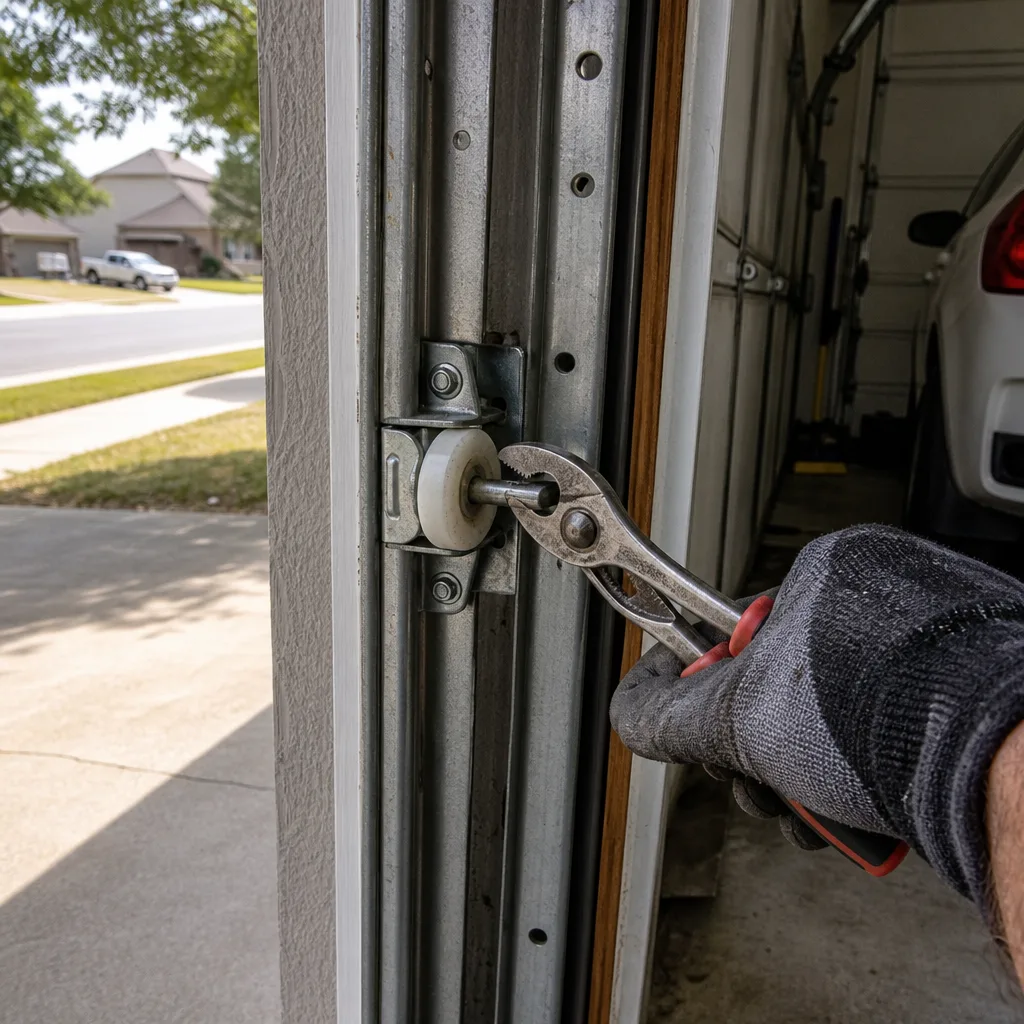
- Lubricate with the right viscosity. Choose a lubricant matched to the season, not a one-size-fits-all product. We cover the specifics in the lubricant section below. Apply to rollers, hinges, springs, and the lock mechanism. Wipe off excess so it doesn’t collect dust.
- Replace the bottom seal if it shows any cracking. A seal that’s visibly cracked from summer heat will fail completely in a January ice event. The freeze-thaw of ice against cracked rubber finishes the job. Now is the time for a $40-$90 seal replacement, not January at 2 a.m.
- Check the opener’s force settings. As temperatures drop, the door’s weight changes slightly and the lubricant thickens. An opener that was perfectly set in August may struggle in November. Test the auto-reverse function, and if the door seems slow or hesitant, have the opener evaluated. If it’s older than 10 years, this is a good time to consider garage door opener repair or replacement in Denton.
- Tighten all visible fasteners. The expansion and contraction of a full Denton summer loosens bolts. Check the track brackets, the opener rail, and the hinge bolts. A loose track bracket in October will become a binding track by December.
The November transition is the single most common month for emergency spring failures in our service area. When a spring breaks, the door becomes extremely heavy, and the emergency release becomes dangerous to use because the door can drop suddenly. If you hear a loud bang from the garage, that’s a spring snapping. Leave the door closed and call us. We answer the phone with a live person 24/7, including holidays, and we’ll send a named technician with an on-the-way text, not a callback window.
Winter: Ice Events and Cold Snaps (December-February)
Denton winters don’t bring the sustained deep cold of the Midwest. What they bring is worse for garage door seals: ice events. Freezing rain and sleet are common enough that every Denton homeowner should know how to handle a frozen-down door. The problem is never the door mechanism itself; it’s the rubber seal freezing to the concrete.
How to Handle a Frozen Garage Door Seal
- Don’t force the door open. If the bottom seal is frozen to the concrete, forcing the door tears the seal or bends the bottom panel. The opener’s force limiter may attempt to lift the door, but it’s working against ice, not a normal load.
- Break the seal gently. Use a plastic scraper or a wooden wedge to work along the bottom edge of the door. Never use a metal shovel or a hammer, both will damage the seal. Work slowly and gently; the goal is to separate the ice from the rubber without ripping.
- Apply de-icer to the gap. Calcium chloride or a pet-safe ice melt product spread along the bottom edge will melt the remaining bond. Avoid rock salt, which accelerates rubber degradation and rusts the track hardware.
- Once the door opens, clean and dry the seal. Wipe the rubber clean so it can’t re-freeze, then spray it with a silicone-based lubricant. Silicone repels water and prevents the next ice event from sticking as hard.
Cold snaps themselves are less damaging than ice. A 20°F night doesn’t hurt a properly lubricated and balanced door. The problem is condensation. When warm, humid air from inside the garage hits the cold metal track and hinges, it forms condensation that freezes. The hinges and rollers can stick. Annual lubrication with the right winter-grade product usually prevents this, but if your door is already sticking, apply the lubricant while the door is warm enough to work it into the joints.
One final winter note: the Servo Garage Doors Denton home service area sees a small but consistent number of emergency calls every February from ice-weakened garage door frames. The freeze-thaw cycle moves the concrete slightly, and a door that was tight in November can be binding by late February. If you notice the door rubbing after a hard freeze, it’s not usually a spring problem; it’s the frame moving. The fix is often a small track adjustment.
Lubricant Selection by Season: What Actually Works in Denton
Most garage door lubricant guides repeat the same generic advice: use a silicone-based spray and apply it twice a year. That advice is incomplete for Denton. The viscosity of the lubricant changes with temperature, and the product that flows correctly in January does not flow correctly at 105°F in August. In January, a thicker lithium-based grease can become so viscous that it creates resistance instead of reducing it. In August, a thin spray evaporates or runs off the hinge before it does any useful work.
Here’s what we use in our own service work in Denton, and what we recommend to homeowners who ask:
- October through April: Use a lithium-based white grease for the hinges and a silicone spray for the springs and rollers. The grease holds up to the cold nights and the spray penetrates the spring coils without freezing. Avoid WD-40, it’s a solvent that will strip the protective film from your hardware.
- May through September: Switch to a heavier silicone-based lubricant that resists running at high temperatures. Look for products labeled “high temperature” or “garage door specific” from brands like Genie or Clopay. Reapply every six to eight weeks during peak summer heat, not twice a year as the generic guides suggest.
- Year-round: Never use motor oil, vegetable oil, or grease from an automotive grease gun. They all attract dust and grime, which turns into a gritty paste that accelerates wear. The garage door world has its own lubricant chemistry for a reason.
The roller bearings are the most common failure point from improper lubrication. When the bearing runs dry, it wears against the shaft and develops play. A worn roller first makes the door noisy, then starts to bind. We rebuild a lot of doors in Denton that just needed $8 of correct lubricant two years earlier.
Clay Soil Settlement and Door Alignment: A Denton-Specific Problem
Houston Black clay, the dominant soil type in Denton County, shrinks dramatically when it dries out. During a dry summer, the soil under your foundation slab contracts. The edges of the slab drop. When the slab edge under your garage door opening drops, the door frame goes out of square, and the tracks bind. This is a Denton-specific problem that national garage door guides never mention because most of the country doesn’t have expansive clay soil.
The symptoms of soil settlement are distinctive, and they’re different from complaints caused by spring wear:
- Door rubs on one side only. If the left track is binding while the right side runs smoothly, the slab has likely settled unevenly. Spring problems affect both sides more or less equally.
- Bottom seal has a gap on one side. When the slab edge drops, the bottom of the door no longer meets the concrete evenly. A gap on the left side that wasn’t there before summer is a classic settlement symptom.
- The problem gets worse in late summer and improves after heavy rain. When the soil rehydrates, it swells and lifts the slab edge back up. If your door binds in August but works fine after September rains, that’s soil movement, not a door problem.
- Visible cracking at the garage wall corners. Small diagonal cracks that open and close seasonally are another symptom of slab edge movement. They don’t require door repair by themselves, but they explain why the tracks are moving.
What can you do about it? The door itself can be adjusted to compensate for seasonal movement. A technician can shim or adjust the track brackets to restore smooth operation and a full bottom seal, even if the slab edge is slightly low. More extensive foundation work is sometimes necessary, but that’s a different contractor. Our commitment is simpler: diagnose the actual problem, show you the photo evidence, and give you a written price for what the door needs. Clause 4 of The Haven Standard is why we photograph the failed or misaligned component before quoting a replacement, so you can see what we’re seeing before you spend a dollar.
Component Lifespans in Denton’s Climate and When to Replace
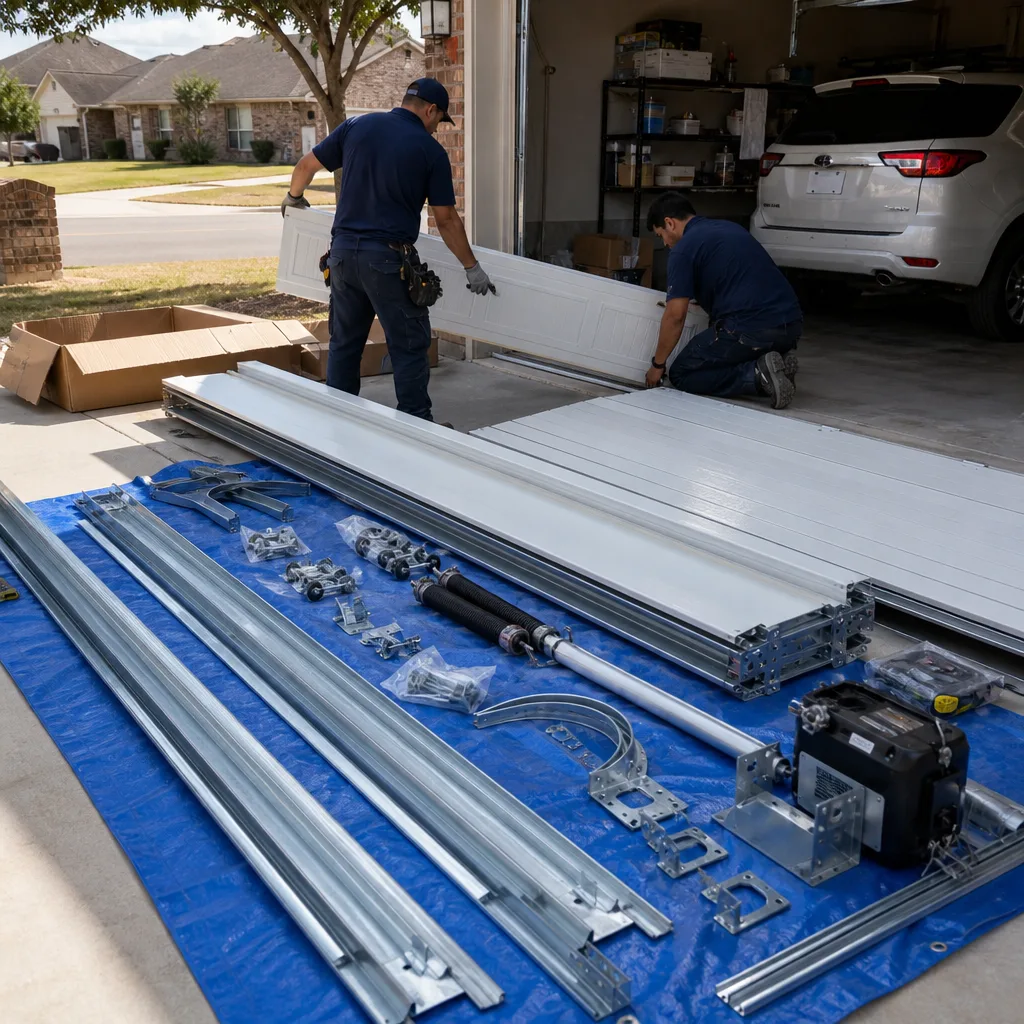
Denton’s heat shortens the service life of nearly every garage door component relative to the national average. Here’s what we observe across thousands of service calls in the area since 2015:
- Torsion springs: 7-10 years in Denton, versus 10-12 years nationally. The heat cycle is the difference. A spring rated for 10,000 cycles will reach that count sooner in a hot climate because the metal fatigues faster. Springs should be replaced in pairs; when one goes, the other is usually weeks or months behind it.
- Bottom seal: 2-3 summers. Replacement costs are modest, and we recommend checking the seal every September regardless of age.
- Rollers: Nylon rollers last 8-12 years with correct lubrication. Steel rollers with poor lubrication can be done in 5 years in Denton’s heat.
- Opener logic board: 10-15 years, but heat exposure shortens the range. If your opener is 10 years old and glitching, the economics usually favor replacement over board repair.
- Weatherstripping and trim: 3-5 years. UV exposure is the primary killer.
- Track hardware: 15-20 years with maintenance, but bolt loosening from thermal cycling needs seasonal attention.
Lead time matters during high-demand periods. Spring failures cluster in October-November and late February-March. If you’re planning a preemptive replacement, early September is the ideal window for springs, before the fall rush. Summer seal replacements are best scheduled in June before the worst heat, not in August when everyone else is calling.
When we replace any component, we document the condition of the old part with photos, explain what we’re installing and why, and deliver a written record of findings and completed work. That’s been the standard at Servo since our founding in 2015: the customer sees the failed part before approving the replacement. No exceptions, no handshake deals.
Common Mistakes to Avoid
- Ignoring a seal tear because it’s “small.” A one-inch tear becomes a six-inch tear in a single freeze-thaw cycle. Water, rodents, and summer heat all find the gap. The $40-$90 seal replacement in October becomes a bottom panel replacement in the spring.
- Using WD-40 or household lubricants. WD-40 is a solvent, not a lubricant. It strips the protective coating from your hinges and springs and leaves them more vulnerable to rust. Motor oil attracts dust that grinds into a paste. Use garage door lubricants or don’t lubricate at all.
- Forcing a frozen door open. The bottom seal is designed to flex, not to resist ice. Forcing the door tears the seal and can bend the bottom panel. Break the ice gently with a plastic scraper and de-icer, not with the opener motor.
- Replacing springs one at a time. Torsion springs are installed in pairs for a reason. They age at the same rate. When one breaks, the other is close behind. Replace both and reset the balance once, rather than paying for two service calls.
- Treating the garage as a temperature-stable room. Denton garages routinely hit 110°F in August. If you’re storing paint, electronics, or anything heat-sensitive in the garage, know that the temperature swing is also affecting your door components. It’s not a conditioned space.
- Calling for spring replacement without knowing what a broken spring looks like. A broken spring shows a clear two-inch gap in the coils. If you see that gap, you know what the problem is before you call. That knowledge alone saves you from being upsold on unnecessary work by less scrupulous contractors. We’ve built our entire business around showing you the same evidence. Garage door installation in Denton should always start with documentation, not a sales pitch.
When to Call a Professional
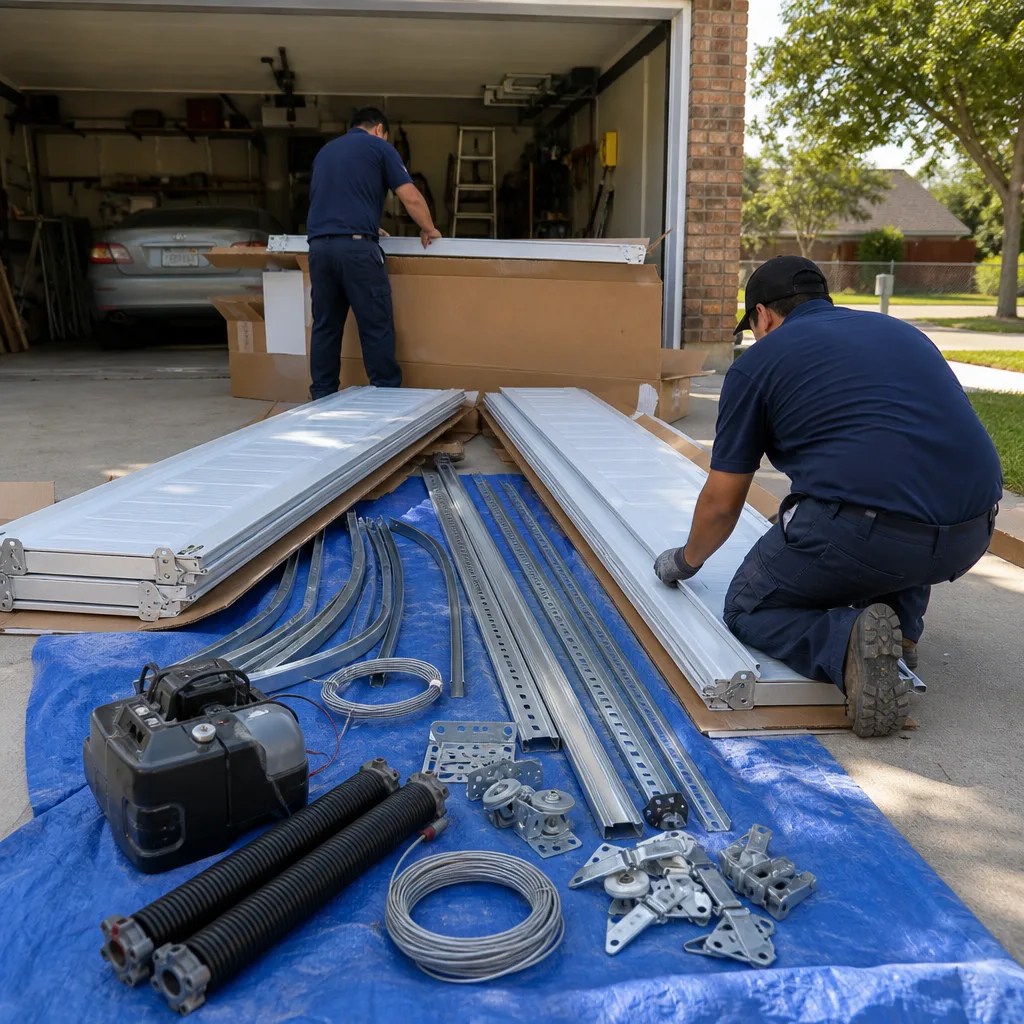
Some garage door problems are safe to diagnose on your own. Others are not. Torsion springs are under several hundred pounds of tension. A spring snapping under load can throw metal fragments at high speed and cause serious injury. Never attempt to adjust, replace, or remove a torsion spring yourself. Never disconnect the opener and try to manually lift a door with a broken spring; the door can come down suddenly and with more force than you can catch. If you hear a loud bang from the garage, if the door won’t open and the spring has a visible gap, or if the door has come off its tracks, that’s a professional call. Servo Garage Doors Denton offers free estimates in Denton, TX - call (940) 398-6880 and we’ll send a background-checked, uniformed technician with a written price before any work starts.
Frequently Asked Questions
Garage door spring replacement in Denton typically costs $180-$340 per pair, including the springs and labor. Single-spring replacement runs $140-$220 if your door has only one spring, but we recommend replacing both springs when one fails because the second spring is usually weeks away from fatigue failure. Exact pricing depends on the spring size, wire gauge, and door weight. Every quote from Servo is a flat, written price delivered before work begins, per Clause 1 of The Haven Standard. Call (940) 398-6880 for an exact quote.
In Denton’s climate, lubricate your garage door every three months during peak seasons and every six to eight weeks during summer heat. The high summer temperatures thin out lubricant faster than the mild spring and fall months. Use a lithium-based grease on hinges and silicone spray on springs from October through April, then switch to a high-temperature silicone lubricant from May through September.
Yes, most frozen garage door seals can be released by working a plastic scraper along the bottom edge to break the ice bond, applying calcium chloride de-icer to the gap, and gently lifting the door once the seal is free. Never force the door open with the opener motor, which tears the seal and can bend the bottom panel. Apply a silicone lubricant to the seal afterward to prevent re-freezing.
If your Denton garage door binds only during dry summer months and improves after rain, the likely cause is clay soil shrinkage under your slab. Houston Black clay contracts when dry, dropping the slab edge slightly and throwing the door frame out of square. The fix is usually a track adjustment, not a spring replacement. The seasonal pattern is the key diagnostic sign.
Garage door springs last 7-10 years in Denton, shorter than the 10-12 year national average. The repeated expansion and contraction from North Texas temperature swings accelerates metal fatigue. If your springs are 7 years old or older, have them inspected before the October-November failure season. Preemptive replacement is cheaper than an emergency call.
The Haven Standard is a documented set of operating rules that Servo Garage Doors Denton follows on every job. Clause 1 requires a flat, written price and written scope before any work starts. Clause 4 requires that we photograph the failed or worn component before quoting a replacement, so you can see the evidence for yourself. The Standard also includes a 365-Day Done Right Promise: if a repair is not right, we make it right. You’ll receive a documented photo record of findings and completed work on every visit, and the written warranty is in writing, not verbally promised. The Standard applies to every garage door installation in Denton and every repair, every time.
The Bottom Line
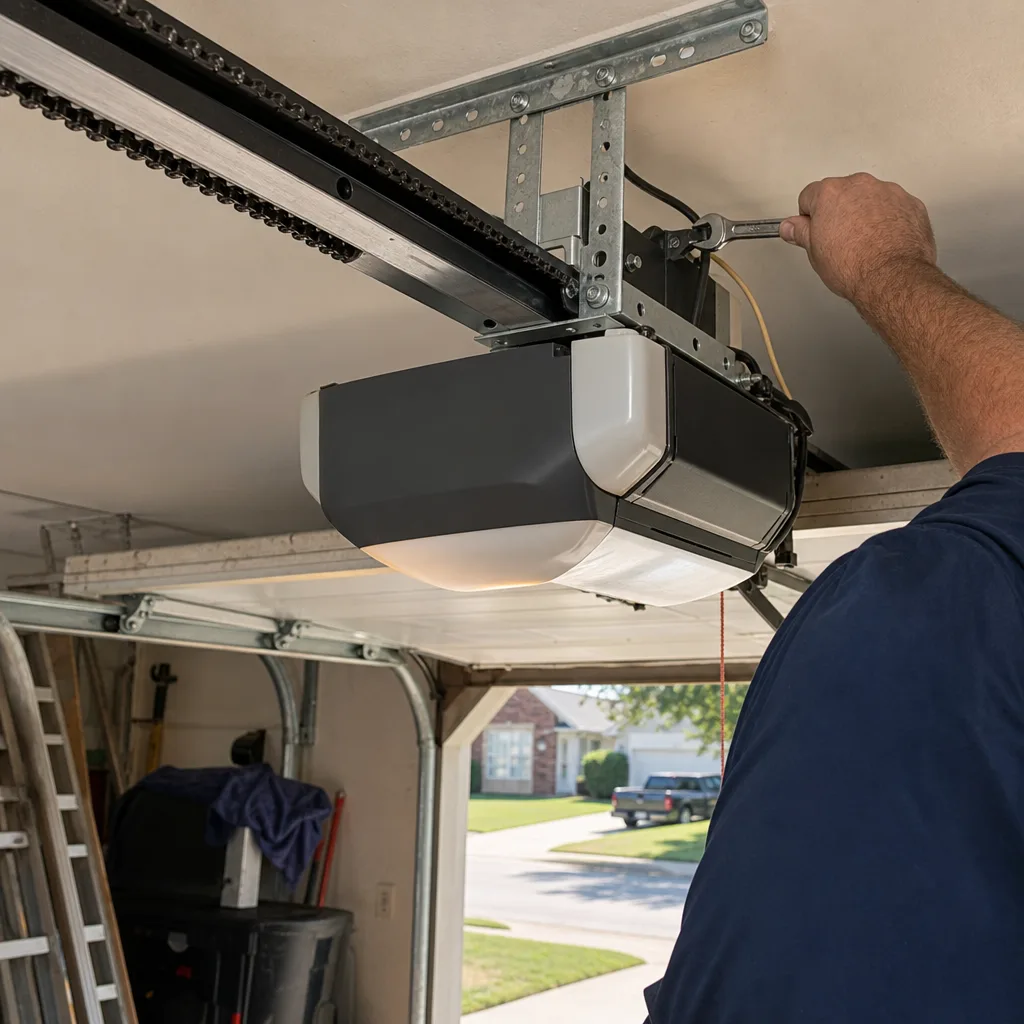
Denton’s garage doors fail on a different schedule than the national guides assume. Springs snap in October and March, not mid-winter. Seals bake and crack in August, not February. Clay soil moves your slab edge and throws your tracks out of alignment every dry summer. The fix is attention at the right times: inspect in early March, lubricate through the summer, do the full pre-freeze checklist in September, and handle ice gently in January. Twenty minutes of seasonal maintenance beats a $250 emergency call, and if you do need help, you want a company that documents what it found and gives you a written price before the work starts. Garage door repair in Denton should always work that way. Call (940) 398-6880 for a free estimate, any time, day or night.
Written by Marcus Deller, Owner at Servo Garage Doors Denton, serving Denton since 2015.