
Full 25-point door and opener safety check with every visit - springs, cables, rollers, tracks, and your LiftMaster or Chamberlain opener included
You get a price before we start. It does not change when the truck arrives.
 Before
 After
After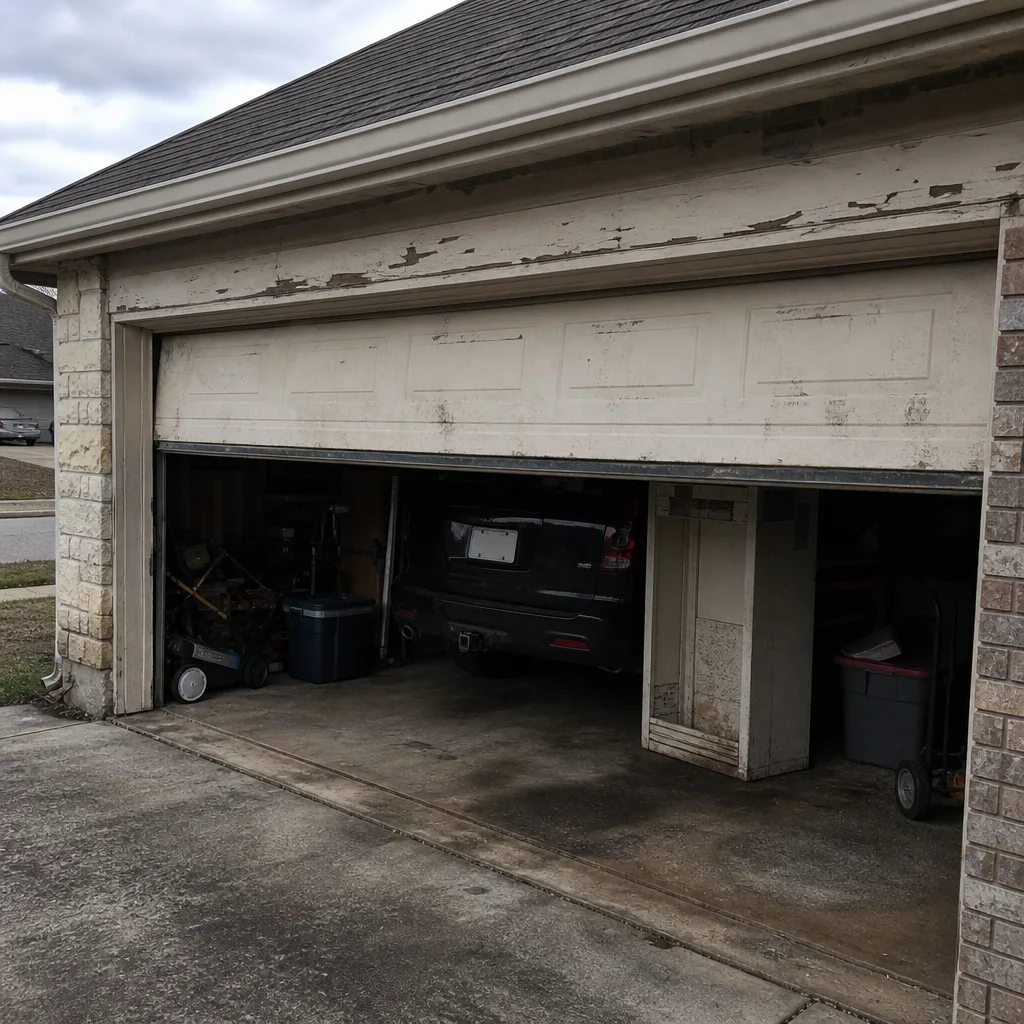 Before
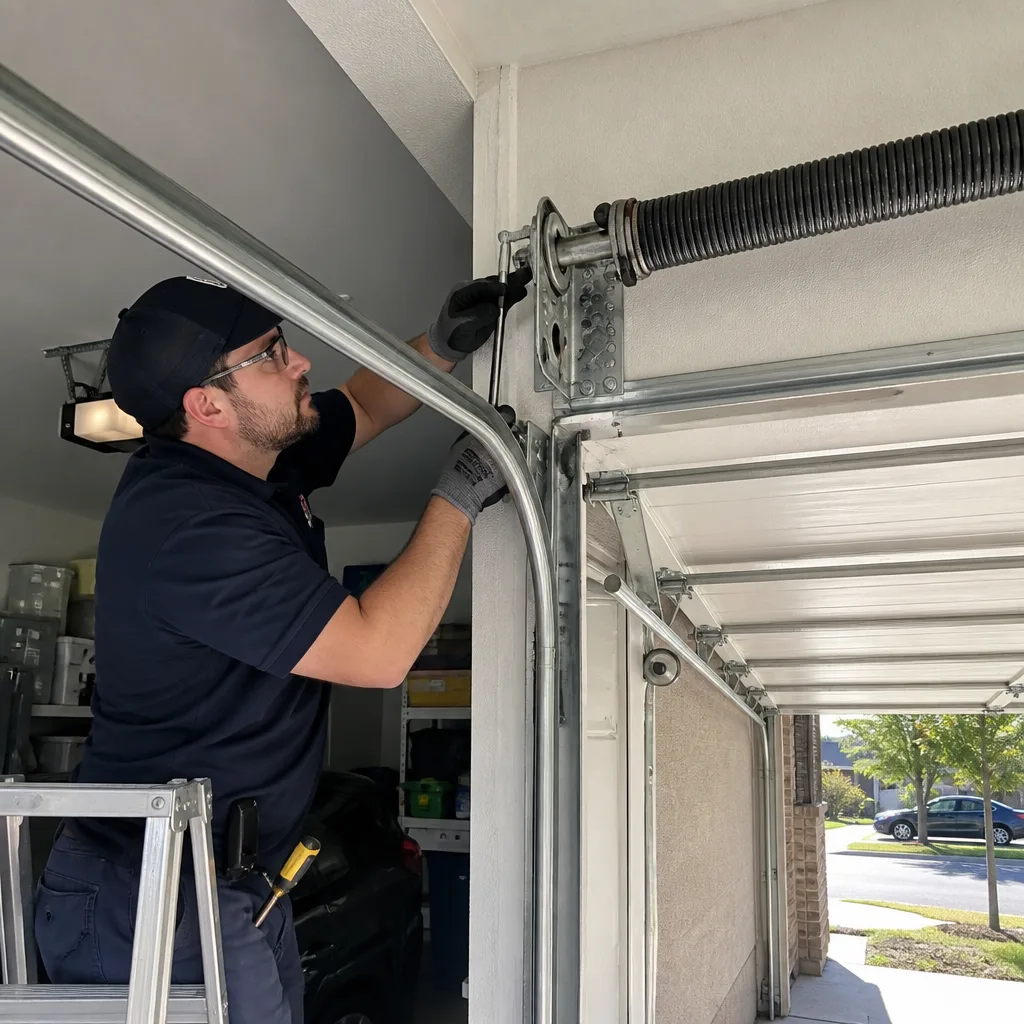 After
After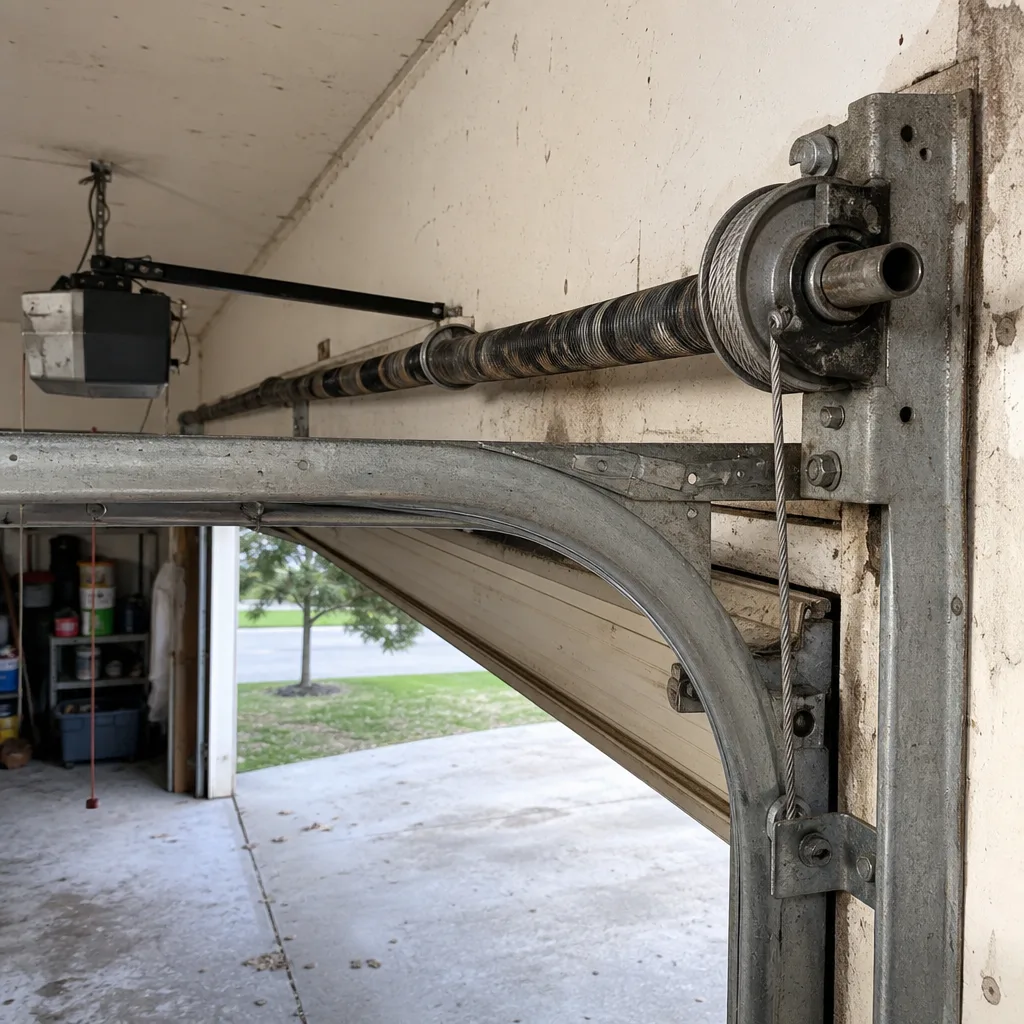 Before
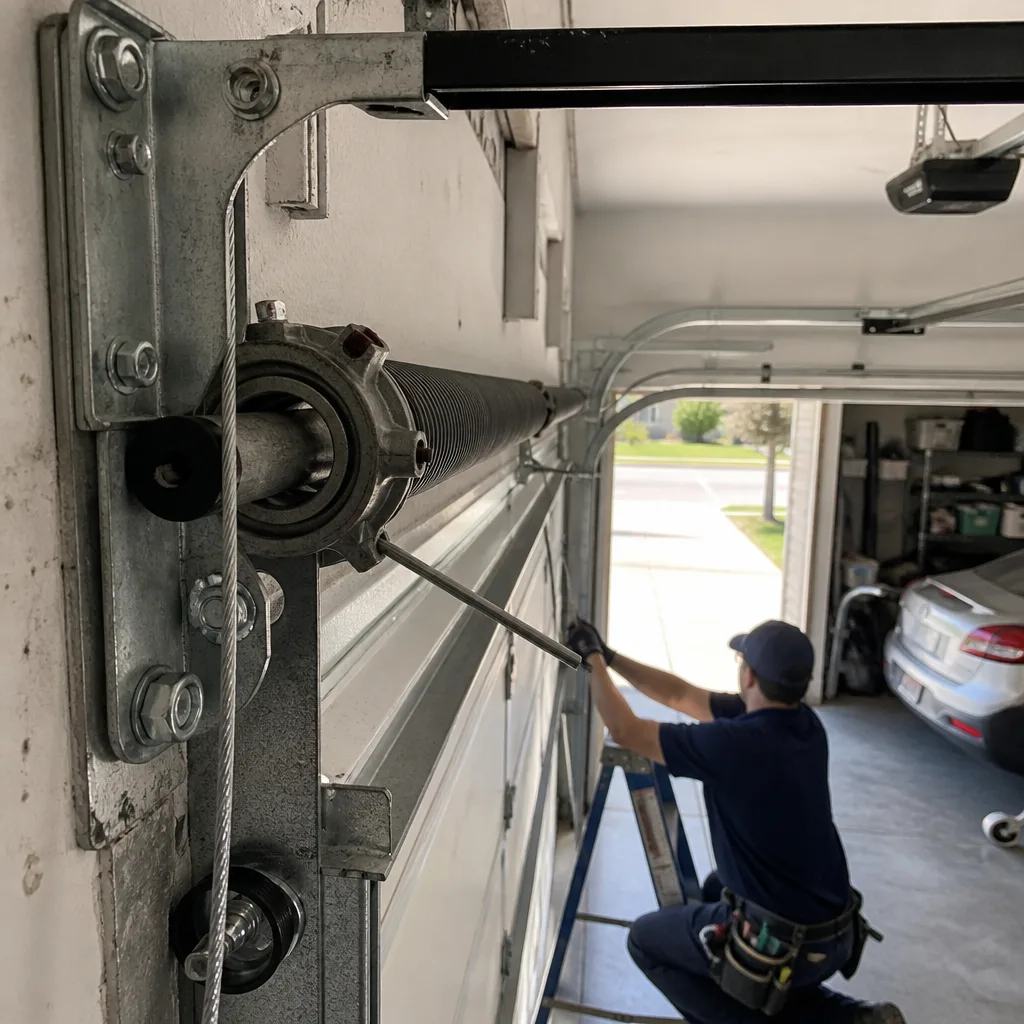 After
AfterGenie Weather Seal Replacement: The Denton Owner’s Guide
We stock and install Genie-compatible weather seal replacement in Denton, with typical installed pricing between $85 and $160 depending on the door width and what’s left of the existing retainer. Most jobs are completed in under an hour, and yes, we carry the common sizes on the truck, so we can usually handle it same-day when you call before noon. The part itself is the rubber or vinyl strip that runs along the bottom of your garage door. It’s there to keep rain, debris, drafts, and North Texas critters out of your garage. Most Denton homeowners discover this part has failed when they see daylight under the door, find water pooled near the workbench after a storm, or notice their garage holds heat like a screen porch in August.
Which Genie Models This Applies To
If your garage door opener has the Genie name on it, there’s a good chance the door itself was installed with a matching bottom seal. The weather seal we’re talking about is the T-style or bulb-style rubber that slides into an aluminum retainer channel at the bottom of the door. It’s not specific to your opener model. It’s specific to your door panel’s thickness and the retainer style the door came with. We see this every week in Denton neighborhoods off Teasley and along University Drive: a rusty retainer channel holding a cracked, flattened strip of rubber that hasn’t flexed since the Obama administration.
Here’s the practical part. Genie-branded doors, and most doors paired with Genie openers, use one of three common bottom seal profiles: the T-style for residential doors with a single-channel retainer, the bulb-style for doors with a round bottom bead, and the P-style for some older wood doors. The width of the door matters more than the Genie model number stamped on the opener rail. A 9-foot-wide door takes about 10 feet of seal. A 16-foot door takes about 17. We measure, not guess.
Before you order anything online, check the bottom edge of your door. Look for an aluminum channel. If there’s a flat rubber strip sliding into it, that’s a T-seal. If the rubber is round and puffy, that’s a bulb seal. Get that wrong and the replacement won’t stay seated. It’s the most common mistake we fix for folks who tried to handle it themselves.
As for OEM versus aftermarket: Genie doesn’t manufacture the rubber itself. The seals are made by third-party extrusion houses and branded. So a quality aftermarket T-seal made from EPDM rubber will outlast what the builder originally installed, because EPDM holds up better against UV and ozone than vinyl. We stock both OEM and aftermarket and we’ll tell you which one we’d put on our own door.
Signs Your Genie Weather Seal Is Failing
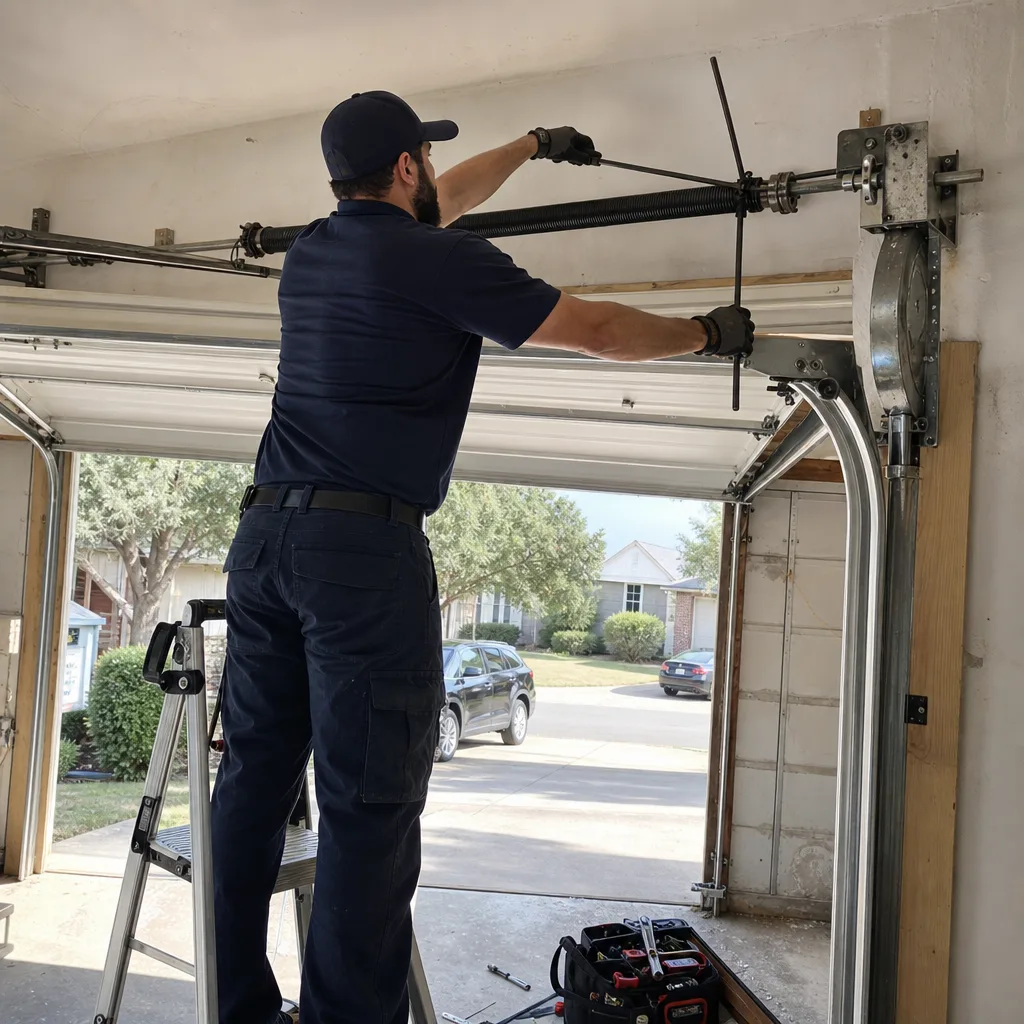
Here are the five ways Denton homeowners usually discover the bottom seal is done:
- Daylight under the door. Stand inside the garage, close the door, and look down. A visible gap means the seal has flattened or torn. Even a quarter-inch gap along one corner invites dust, drafts, and the occasional scorpion. Yes, we get those calls. Mostly in south Denton.
- Water pooling near the door after a storm. North Texas gets proper downpours. A bottom seal should redirect water away from the garage floor. If you’re mopping up after every rain, the rubber has likely cracked or pulled away from the retainer channel at one end.
- Crumbled rubber chunks on the floor. Vinyl seals degrade and crumble over time. If you’re finding black crumbs near the tracks, the seal has passed the point of repair. Once it starts shedding, it won’t re-swell.
- Higher energy bills or an uncomfortable garage. If you have a workshop or home gym in the garage and the temperature swings are getting worse, a failing seal is often part of it. The seal is a big part of the garage’s insulation envelope.
- Drafts along the bottom edge. Run your hand along the bottom of the door on a windy day. Air movement means the seal isn’t making contact. Flat seals lose their cushion after a few Texas summers and never bounce back.
BeforeAfterReplacement Cost & What’s Included
In Denton, a Genie weather seal replacement runs $85 to $160 installed. That includes the replacement seal, any necessary lubrication of the retainer channel, and the labor to remove the old material and seat the new strip properly. Wider doors run slightly higher because they need more material and a second set of hands to keep the strip straight while it’s fed through the channel. If the aluminum retainer is corroded or bent, replacing that adds a little more, but that’s a separate conversation with a photo and a written price before we do it.
You’ll get one flat, written price before any work starts. That’s Clause 1 of The Haven Standard, the operating agreement every Servo job runs under. We don’t quote over the phone by guesswork. We look at the door, measure it, and tell you the price. If you want to know the price before we even drive out, be prepared to describe the door width and the seal profile. You can text us a photo and we’ll respond with a written range. And you’ll receive a documented photo record of the old seal and the new one when we leave. Clause 4 of The Haven Standard is why the technician photographs the failed part before quoting a replacement.
DIY or Call Us?
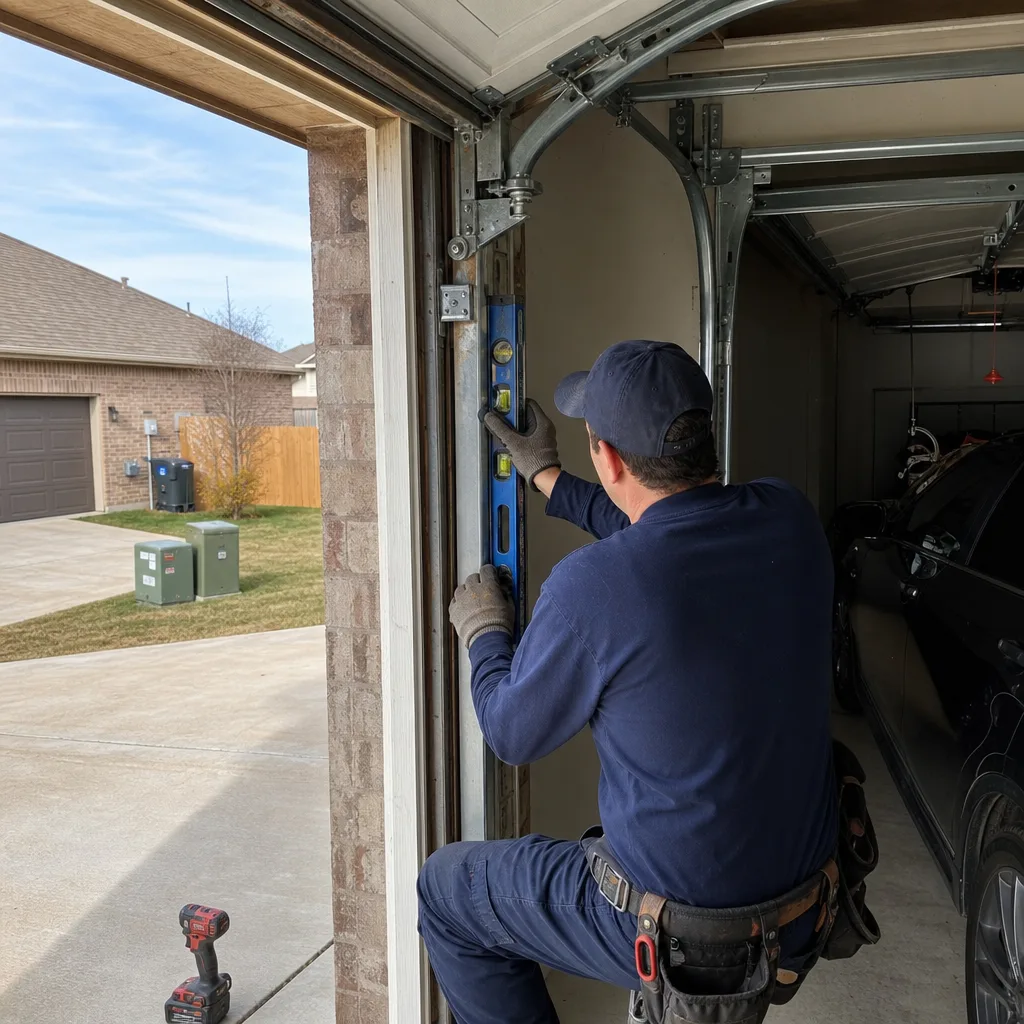
Replacing a bottom weather seal isn’t in the same safety category as torsion springs or lift cables. Nobody’s going to lose a finger to a piece of rubber. So if you want to do it yourself: measure the door width, identify the seal profile, order the right part, and expect to spend an afternoon fighting the old strip out of a channel that’s probably holding it like a pit bull. The hard part is the retainer channel, not the rubber. Old seals weld themselves in place. The channel gets bent. The new strip kinks if you feed it too fast. It’s not impossible. It’s just the kind of job that takes two hours the first time and thirty seconds the second time, when you already know how it goes.
We’re happy to do it for you. We carry the common seal profiles on the truck and we’re usually in and out in under an hour. Call (940) 398-6880 if you want a written price or just want to confirm the seal profile over the phone. Marcus Deller or one of our guys will tell you what you’re looking at.
FAQs
In North Texas weather, a Genie bottom seal lasts about 3 to 7 years depending on sun exposure, door usage, and whether the material is vinyl or EPDM rubber. South-facing doors in Denton get cooked. If you want the longest life, we install EPDM rubber, not vinyl. Call (940) 398-6880 and ask for the EPDM-grade seal. We’ll tell you the price up front.
No. Once the rubber is cracked, flattened, or crumbling, there’s no repair that holds. You can try to patch a tear with adhesive, but the next storm and the next heat wave will undo it. The seal is a wear item, like brake pads. It gets replaced. We install new material and the job is done right the first time, covered by our 365-Day Done Right Promise.
Most Genie weather seal replacements in Denton are done in 45 minutes to an hour, including removing the old material, cleaning the retainer channel, and feeding in the new strip. You won’t miss work for it. And if you text us a photo first, we’ll tell you if we have the right seal in the truck before we head out.
Yes, we carry the common residential T-style and bulb-style seals in a range of widths on the truck. If your door needs a less common profile, we can source it and have it installed within a few days. We also stock parts for most other major brands: LiftMaster, Chamberlain, Genie, Clopay, Amarr, Wayne Dalton, Craftsman, and Raynor. Call (940) 398-6880 with the door width and we’ll confirm what we’ve got. Price is always quoted and agreed before any work starts.
Written by Marcus Deller, Owner, Servo Garage Doors Denton at Servo Garage Doors Denton, serving Denton and nearby areas.