
Full 25-point door and opener safety check with every visit - springs, cables, rollers, tracks, and your LiftMaster or Chamberlain opener included
You get a price before we start. It does not change when the truck arrives.
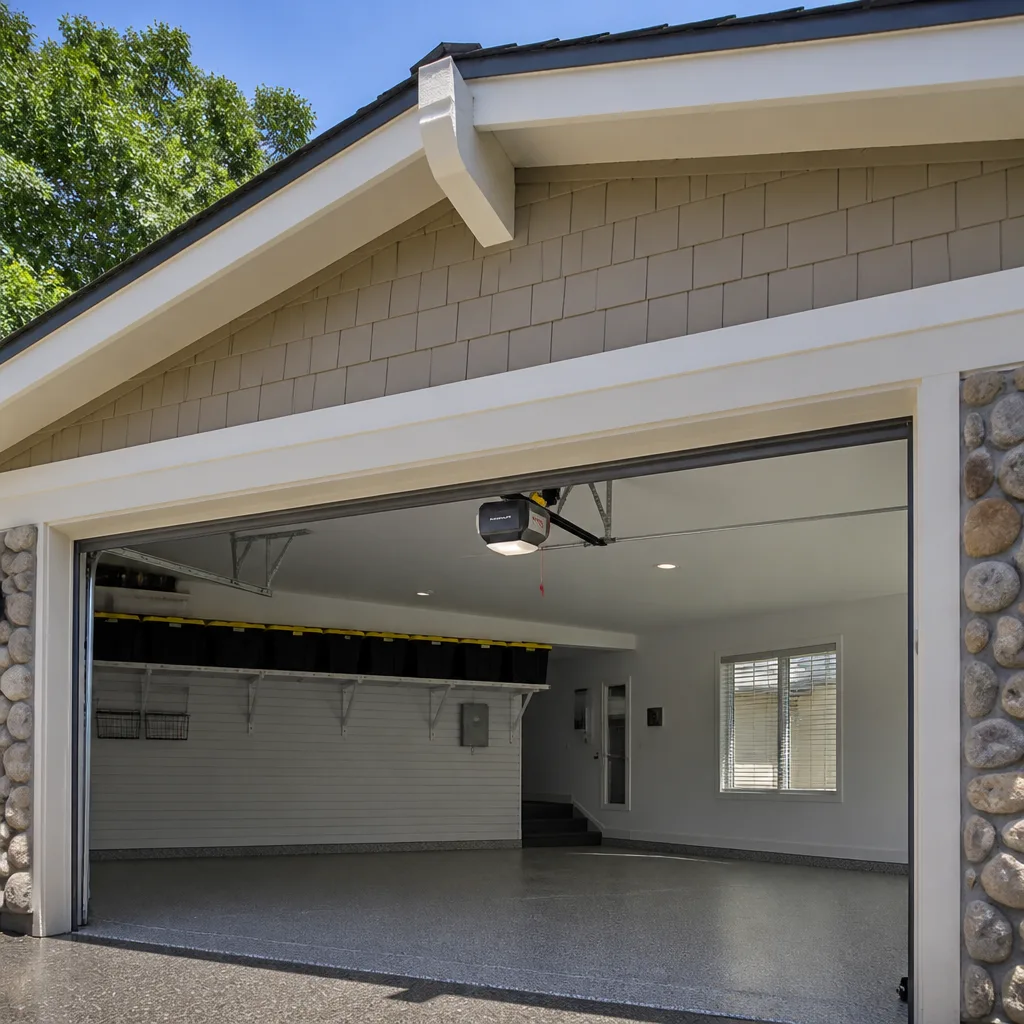
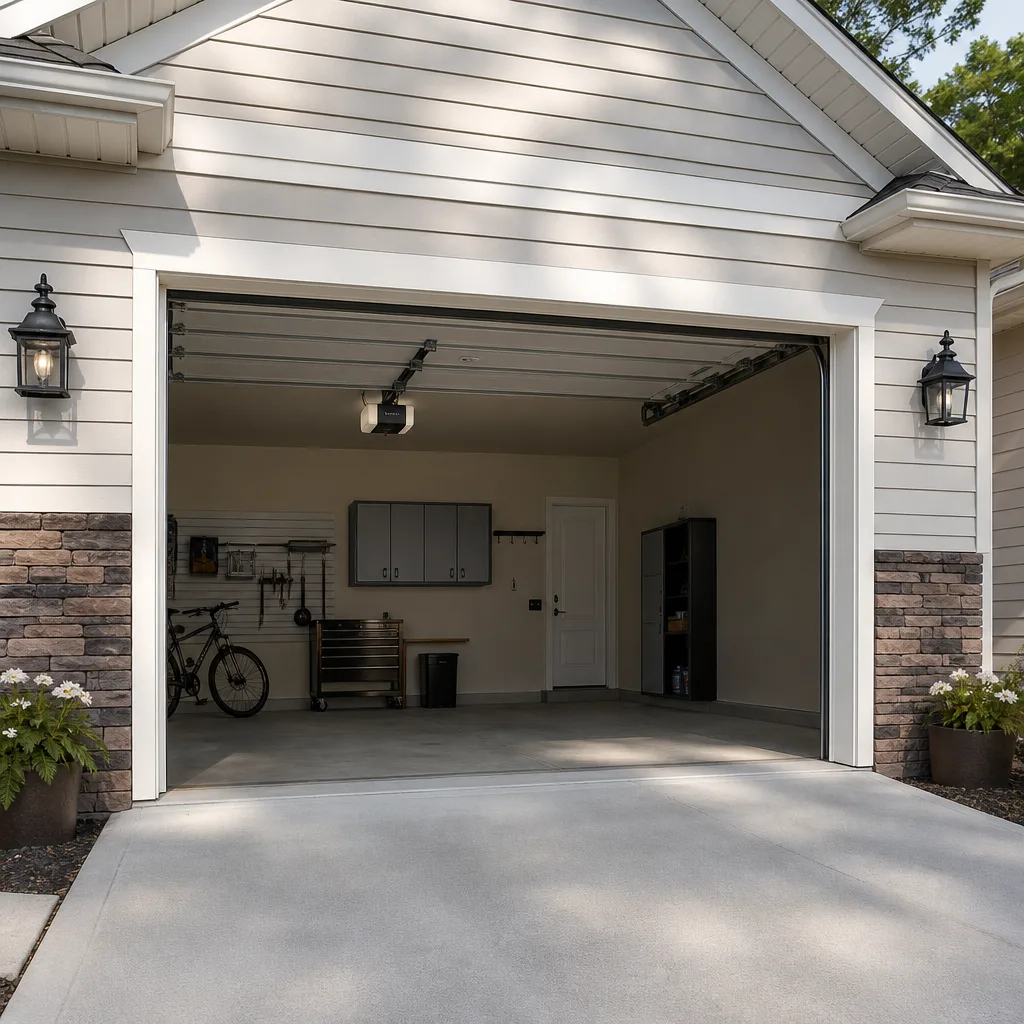
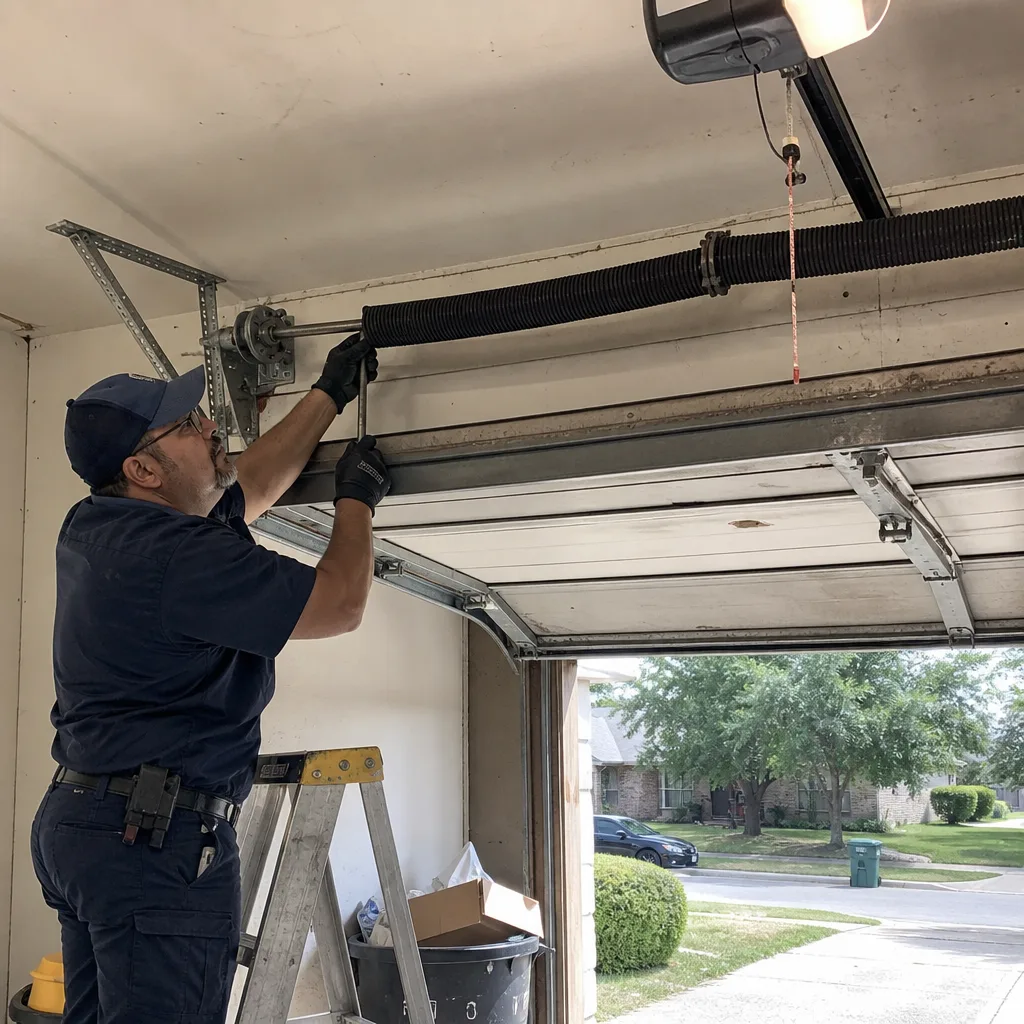 Before
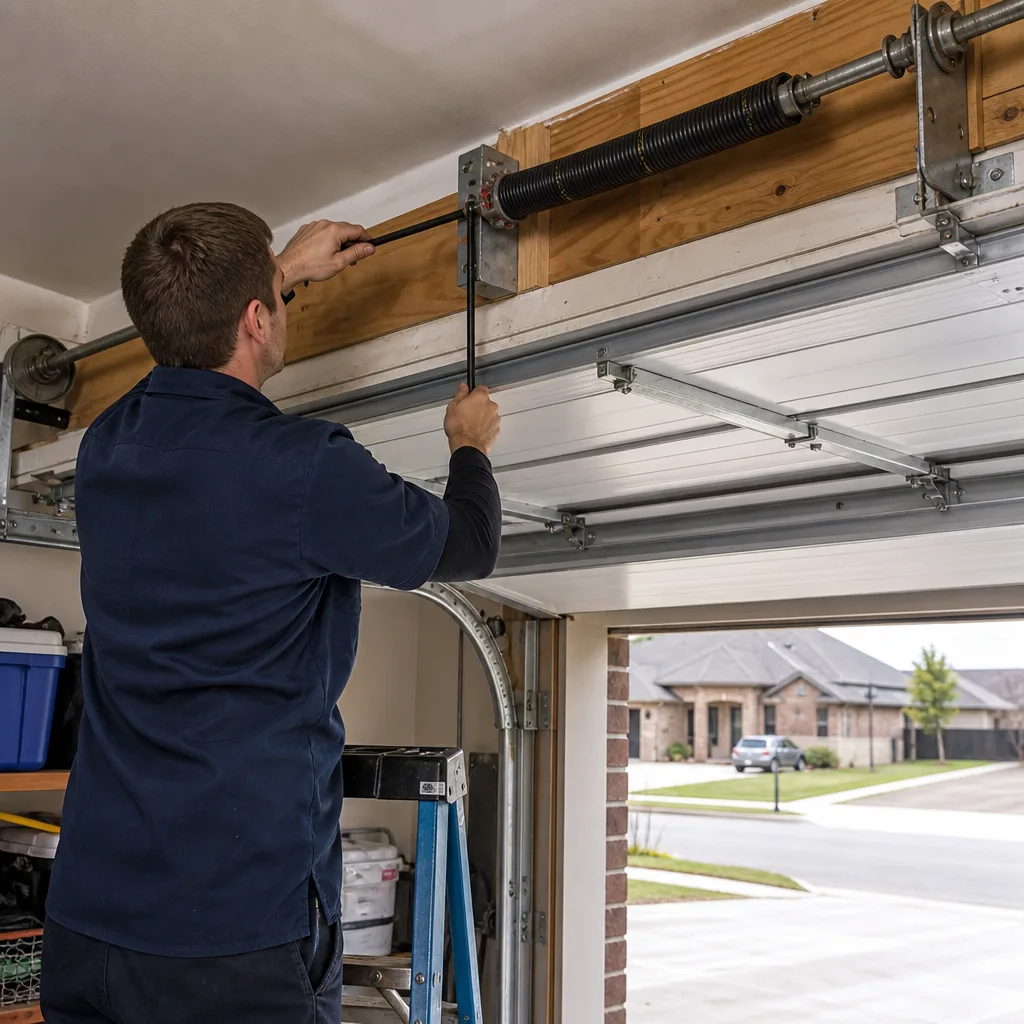 After
After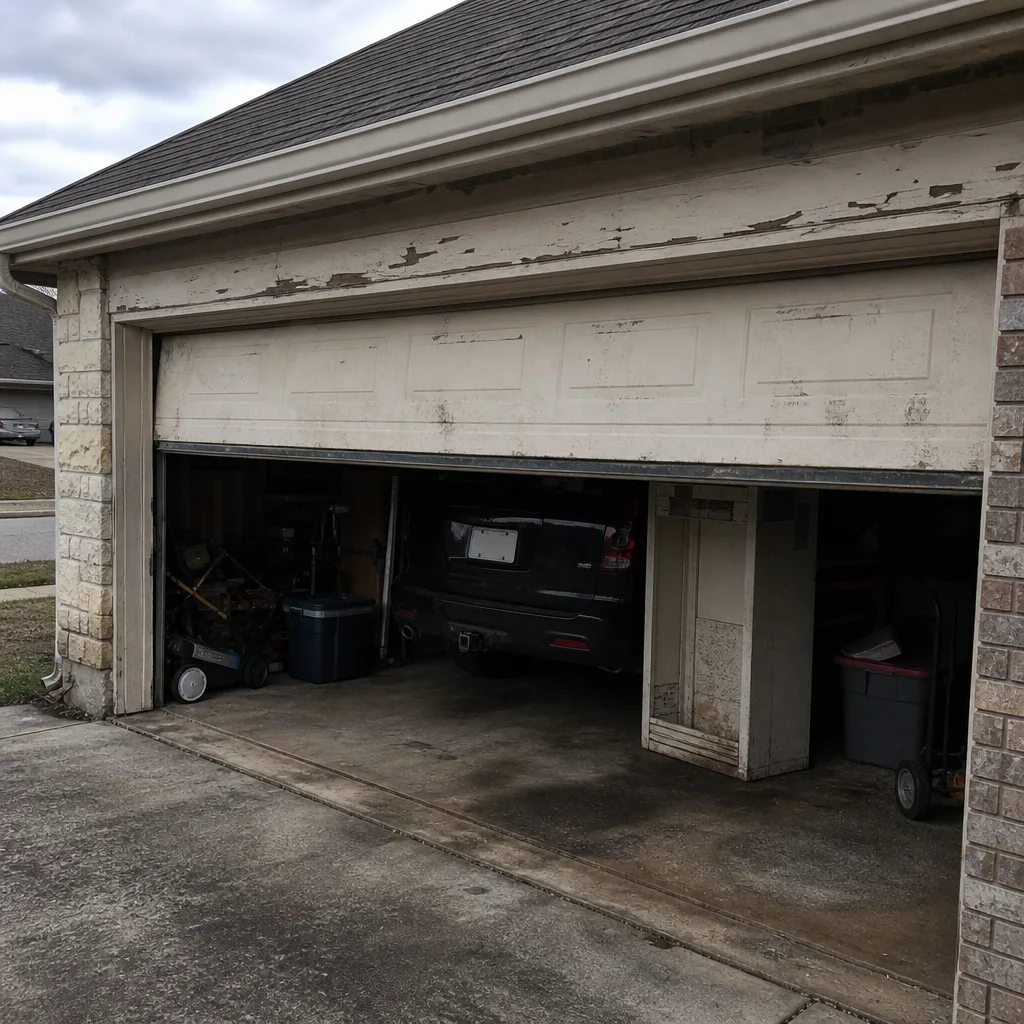 Before
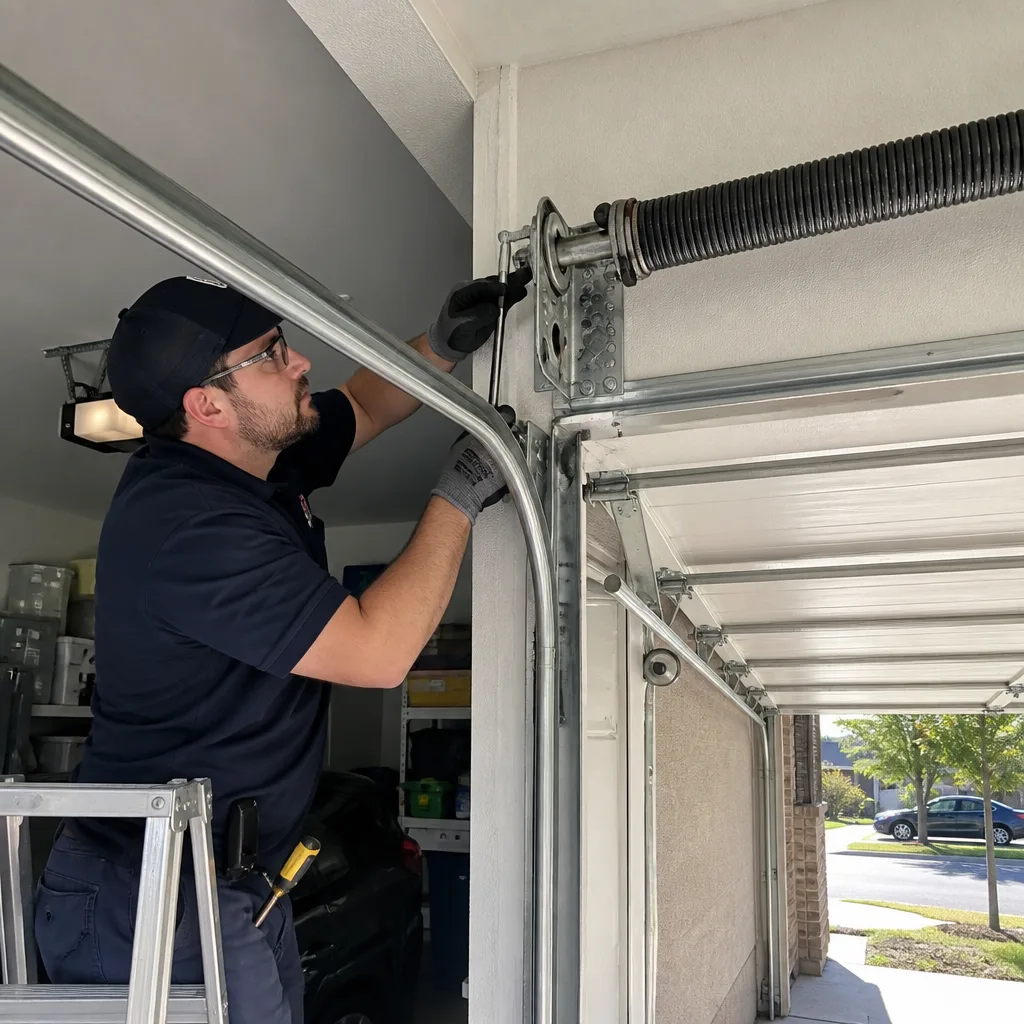 After
After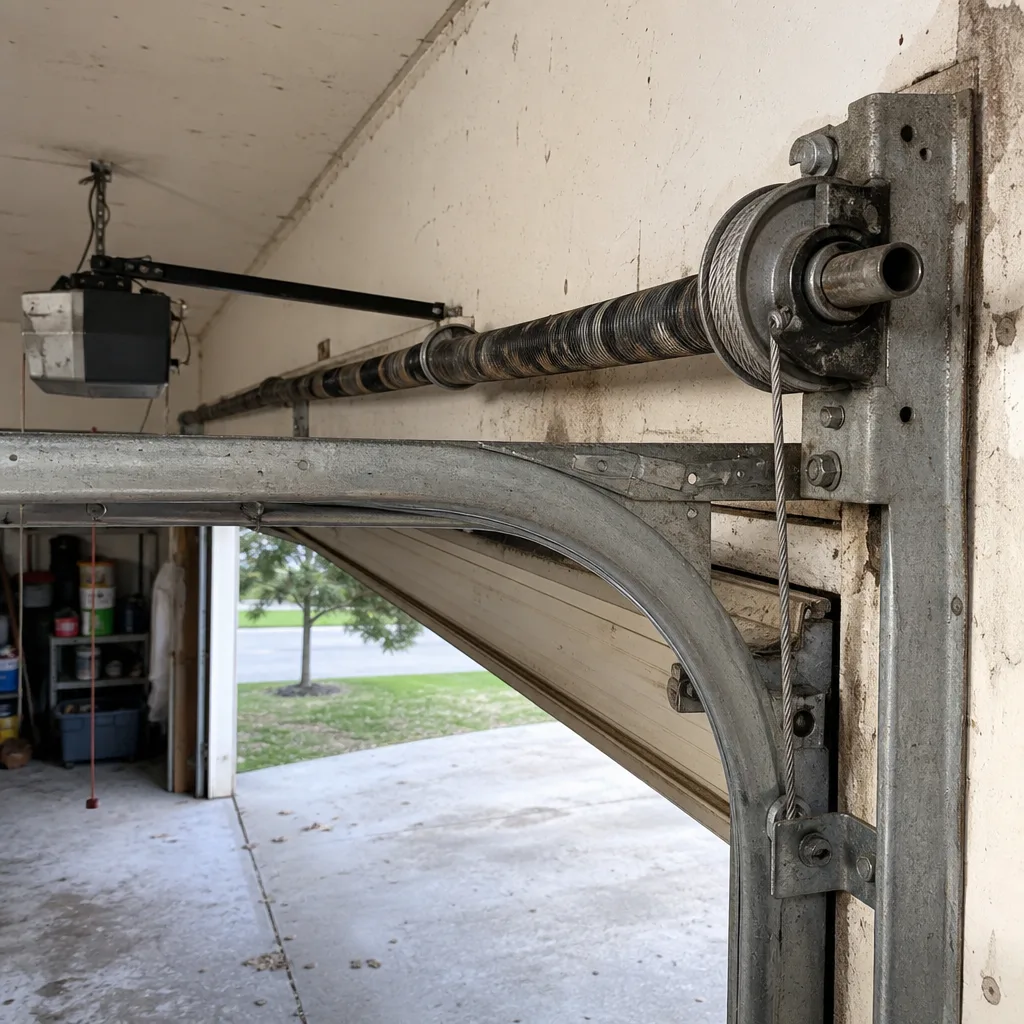 Before
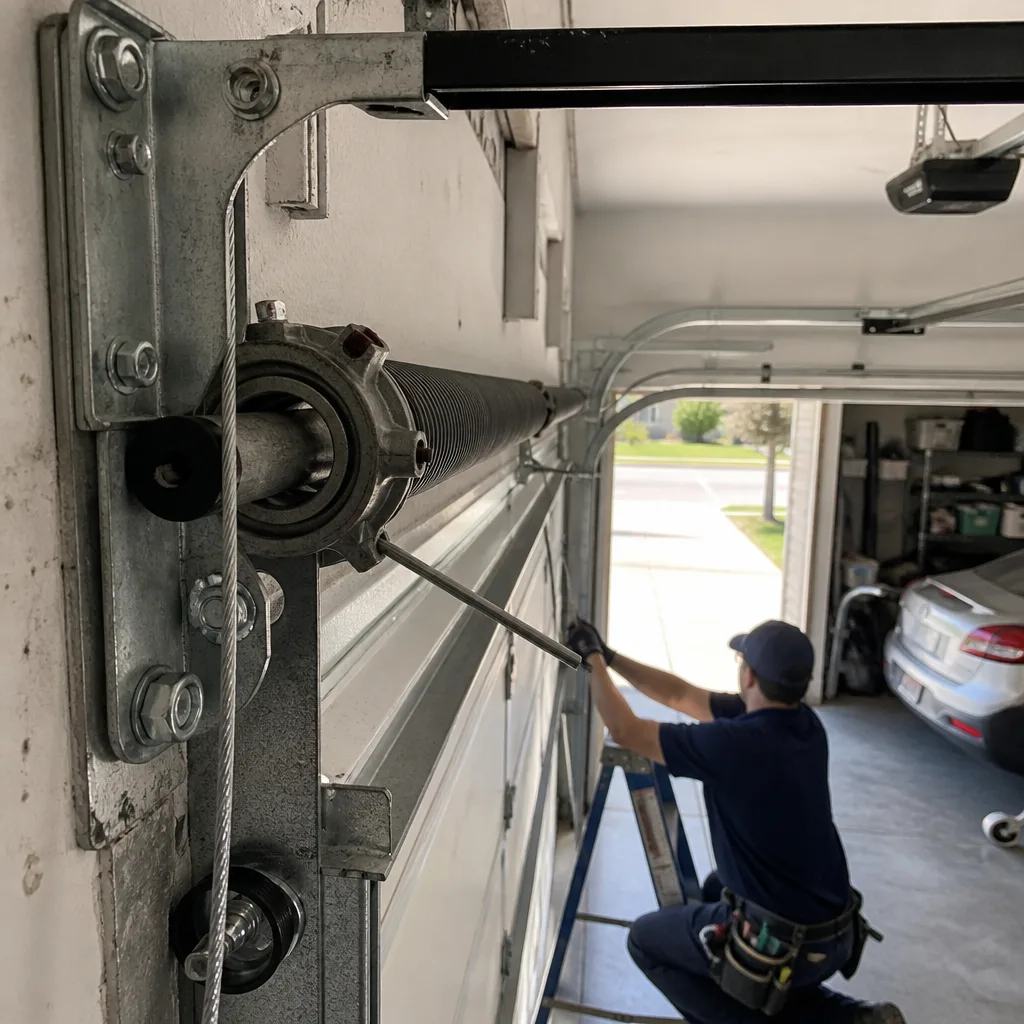 After
AfterAmarr Weather Seal Replacement: The Denton Owner’s Guide
Amarr weather seal replacement in Denton typically runs $110-$220 installed, and we stock Amarr-compatible bottom seals, threshold seals, and perimeter weatherstripping on our trucks for same-day service. The part itself is what fails: UV exposure and North Texas heat harden the rubber until it cracks, flattens, or tears away from the retainer track. Most owners discover the problem the same way - daylight under the door, a mouse that got in, or a puddle on the garage floor after a Denton thunderstorm.
The good news is that this is one of the most straightforward parts on an Amarr door to match and replace. The bad news is that using the wrong profile seal turns a $150 fix into a door that binds, gaps, or won’t seal at all. We’ll show you exactly what you’re looking at.
Which Amarr Models This Applies To
Amarr uses a few distinct weather seal profiles across their residential line, and the part must match both the retainer channel and the door thickness. The three most common ones we see in Denton schools and neighborhood garages:
- Classica, Lincoln, and Oak Summit series: These run Amarr’s standard T-style or beaded bottom seal in a steel retainer. The bead width matters: 3/16 inch on most, 1/4 inch on some commercial-grade Lincoln doors. Getting this wrong is the single most common DIY mistake.
- Heritage and Stratford series: These wood-look steel doors use a wider bottom seal profile because the door sits slightly higher off the slab. The retainer channel is deeper, and a generic big-box seal won’t seat correctly.
- Olympus and Hillcrest series: Lower-profile doors that use Amarr’s bulb-style seal for a tighter compression against the concrete. The bulb profile is rounder than the T-style, so it compresses instead of folding.
The quick way to identify what you need: look for a sticker on the side of the door panel or the hinge side jamb with the model name and date of manufacture. If that sticker’s gone, measure the width of the metal retainer channel at the bottom of the door. That measurement, plus the model line, is what we use to confirm the right seal before we show up. Amarr’s OEM seals are good rubber; there are also quality aftermarket equivalents from ProSeal and Action Industries that hold up just as well in Texas heat at a lower part cost. We’ll quote you both when the situation calls for it.
Signs Your Amarr Weather Seal Replacement Is Failing
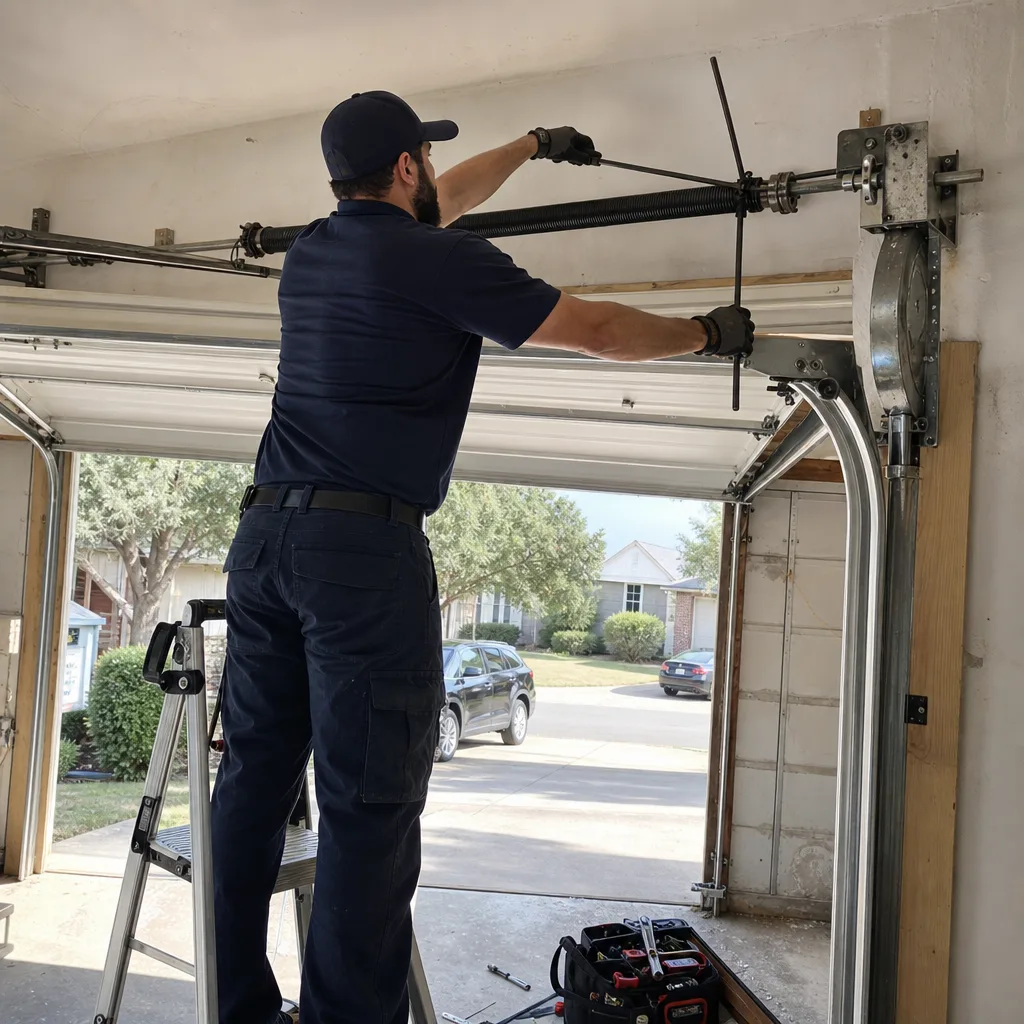
- Visible daylight under the door: The bottom seal has compressed past recovery or torn away from the retainer. When the door is closed, light sneaks under the corner or spans the full width. In Denton summer heat, even a small gap exchanges cooled air for 100-degree attic heat fast.
- Water pooling inside the garage after rain: A failed bottom seal lets runoff from the driveway slope enter under the door. We see this a lot on homes near the Fry Street corridor where older driveways pitch toward the garage.
- Drafts along the door’s side edges: The perimeter J-channel weatherstripping does the side work. When it’s cracked or pulled loose from the jamb, the door seals at the bottom but not the sides, so the garage feels like it’s outside.
- Dirt, leaves, or gravel blown inside: North Texas wind pushes debris through the bottom gap during the spring. If you’re sweeping up dust regularly, the seal has flattened and isn’t contacting the slab.
- The seal looks wavy, cracked, or brittle: UV breaks down EPDM and PVC rubber over time. Once the material feels stiff or shows surface cracks, it’s done - no amount of adjustment restores its compression.
BeforeAfterReplacement Cost & What’s Included
In Denton, installed Amarr-compatible weather seal replacement runs $110-$220 all-in: part, labor, and the written documentation you get from us on every job. The range depends on a few things.
- Door width: Single-car doors (8-9 feet) sit at the lower end. Double-car doors (16-plus feet) use more material and a longer install, pushing the price toward the middle of the range.
- Seal type: Standard T-style bottom seal is the least expensive part. Bulb-style seals and full perimeter weatherstripping kits add to the total.
- Retainer condition: If the metal retainer channel is rusted or bent - common on older Denton homes with original hardware - it gets replaced too, which adds to parts cost but stops the same failure from returning in six months.
- How many seals: A full weather seal replacement includes the bottom seal plus both side J-channel strips. A partial job is only the bottom.
Every quote is a flat, written price with the scope in writing before we start - Clause 1 of The Haven Standard. That means no surprises on the invoice. The replacement work carries our 365-Day Done Right Promise: if it’s not right, we make it right. New seal material typically carries a one-year manufacturer’s warranty against premature cracking.
DIY or Call Us?
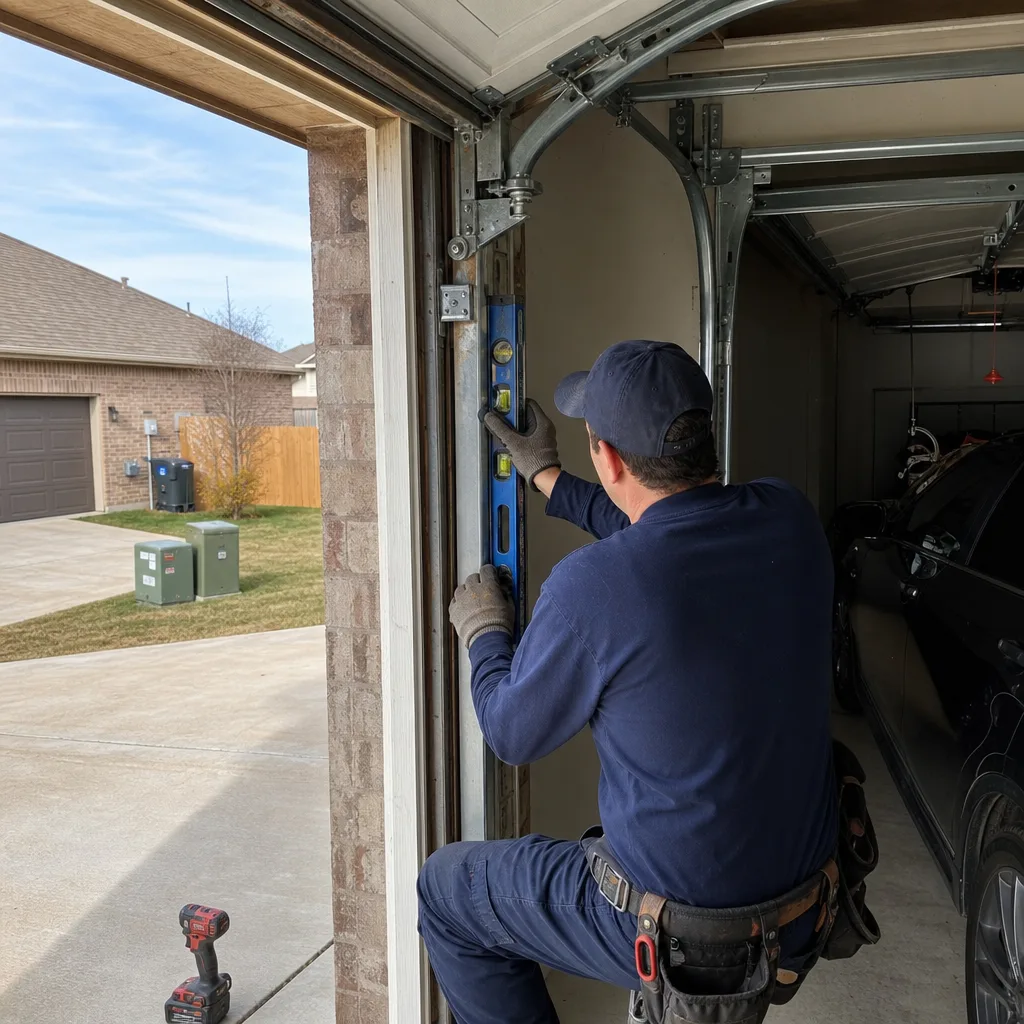
Replacing a bottom weather seal is one of the few garage door parts that a determined homeowner can realistically handle. If the retainer channel is in good shape and you have the correct Amarr profile, you can slide the old seal out and feed the new one in with a utility knife for trimming and a flathead screwdriver for coaxing the bead through the channel.
Where DIY goes wrong on this part, in our experience, comes down to two things. First, guessing at the seal profile - wrong bead width or wrong shape, so the new seal doesn’t seat and the door still leaks. Second, the retainer channel itself is often rusted or crushed at the ends from years of contact, and the old seal is so stiff you’re fighting it for an hour on a ladder. There’s no safety hazard here like there is with springs - this part is under zero tension - but a bad part match wastes the afternoon and the money. When you want it matched right and installed in under an hour, call (940) 398-6880. We carry the common Amarr profiles on the truck.
FAQs
An Amarr bottom weather seal typically lasts 3-5 years in Denton’s climate, and sometimes less on west-facing doors with full afternoon sun. UV exposure, heat, and how often the door compresses against concrete determine the lifespan. Side perimeter seals usually last a year or two longer because they get less direct sun. We’ll photograph the condition and you’ll see the wear in the photo record we document on every visit.
No - once EPDM or PVC seal material is cracked, torn, or compressed flat, there’s no repair that restores its shape or compression. Adhesives and sealants don’t bond well to aged rubber, and the patch fails after a few open-and-close cycles. The honest repair is replacement, and calling (940) 398-6880 gets you a straight price with the part matched to your Amarr model.
Yes. We stock Amarr-compatible T-style, bulb-style, and beaded bottom seals, plus J-channel perimeter weatherstripping, on our service vehicles. That means most Denton weather seal replacements happen on the first visit - no ordering, no waiting, no second trip. Servo Garage Doors Denton also carries parts for LiftMaster, Chamberlain, and Genie, but Amarr seals are on the truck because they’re the most requested.
A bottom weather seal replacement on an Amarr door takes under an hour on a single-car door and about 90 minutes on a double-car door when the retainer channel is in good shape. If the retainer needs replacement too, add 30 minutes. We quote the job and the price before we start, so you’ll know what’s included the moment we arrive.
Written by Marcus Deller, Owner, Servo Garage Doors Denton at Servo Garage Doors Denton, serving Denton and nearby areas.