
Full 25-point door and opener safety check with every visit - springs, cables, rollers, tracks, and your LiftMaster or Chamberlain opener included
You get a price before we start. It does not change when the truck arrives.
 Before
 After
After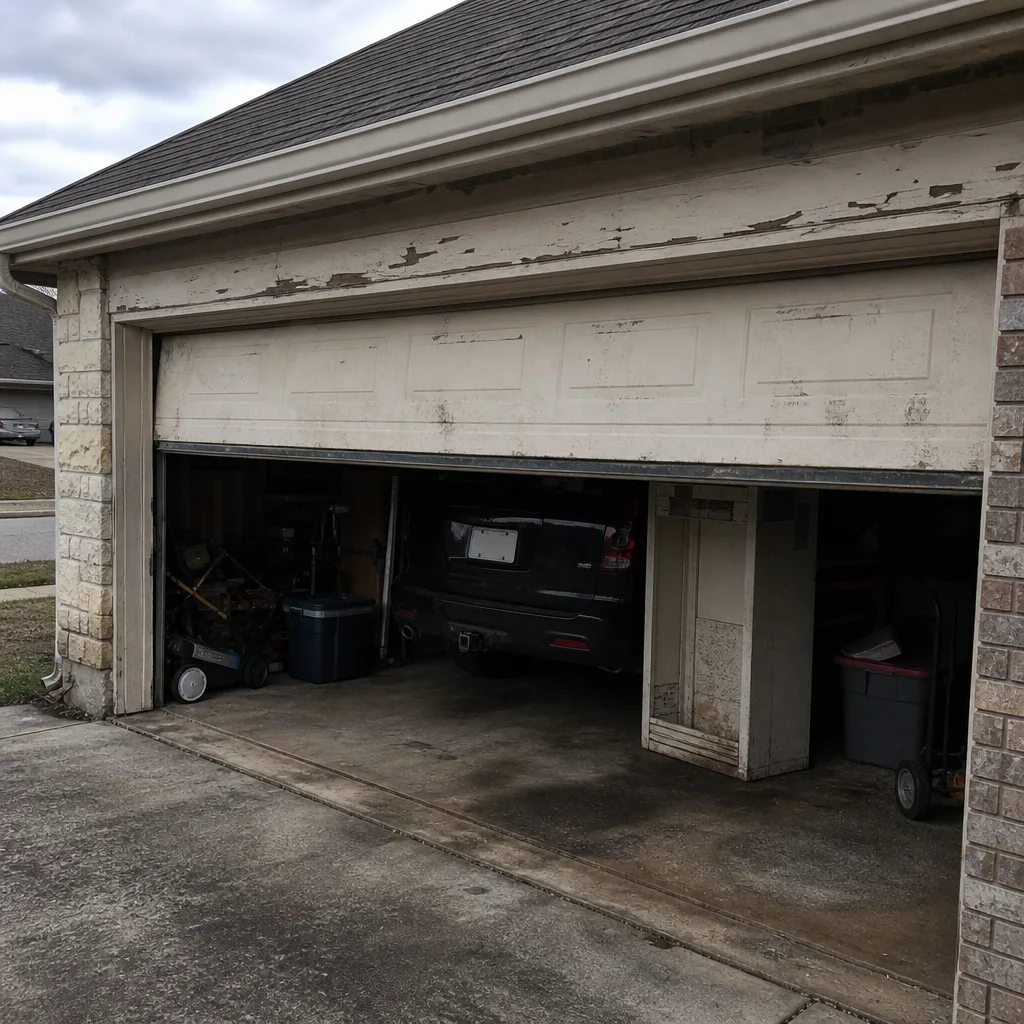 Before
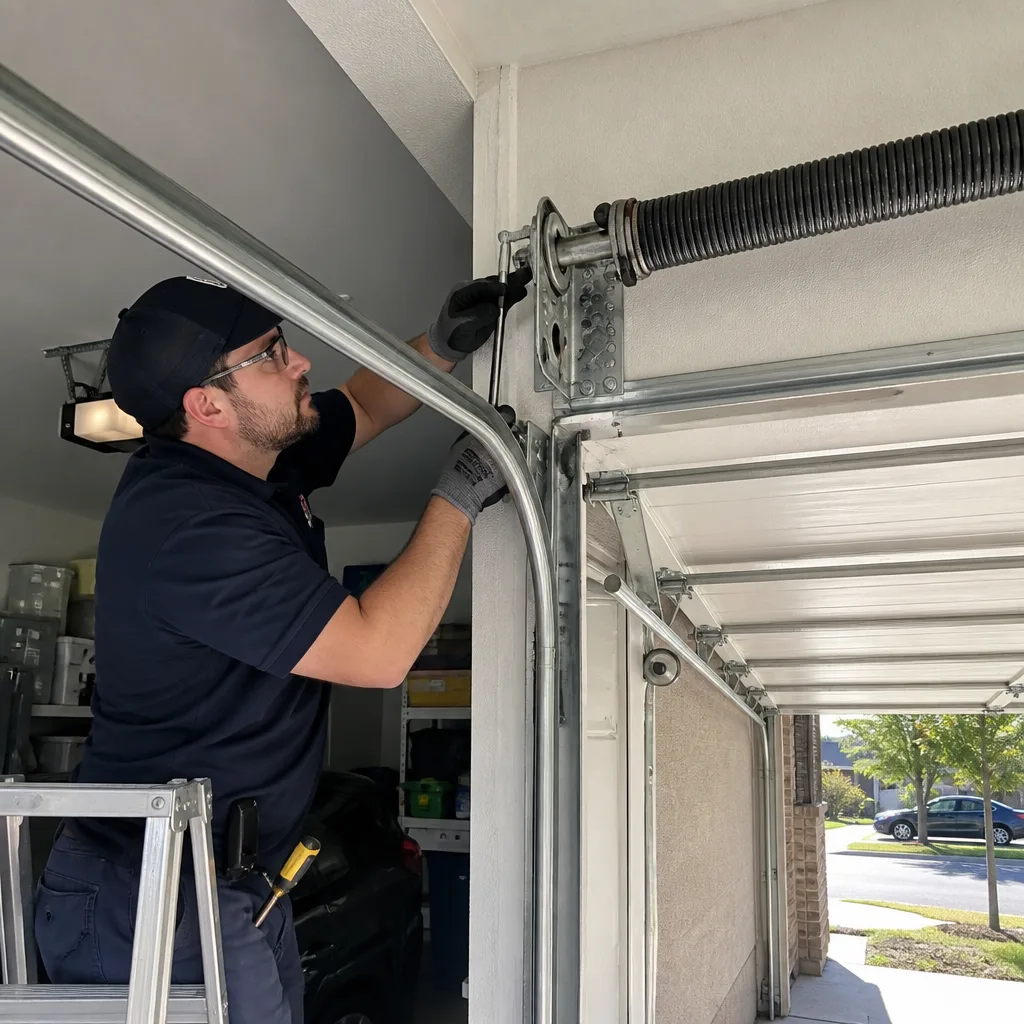 After
After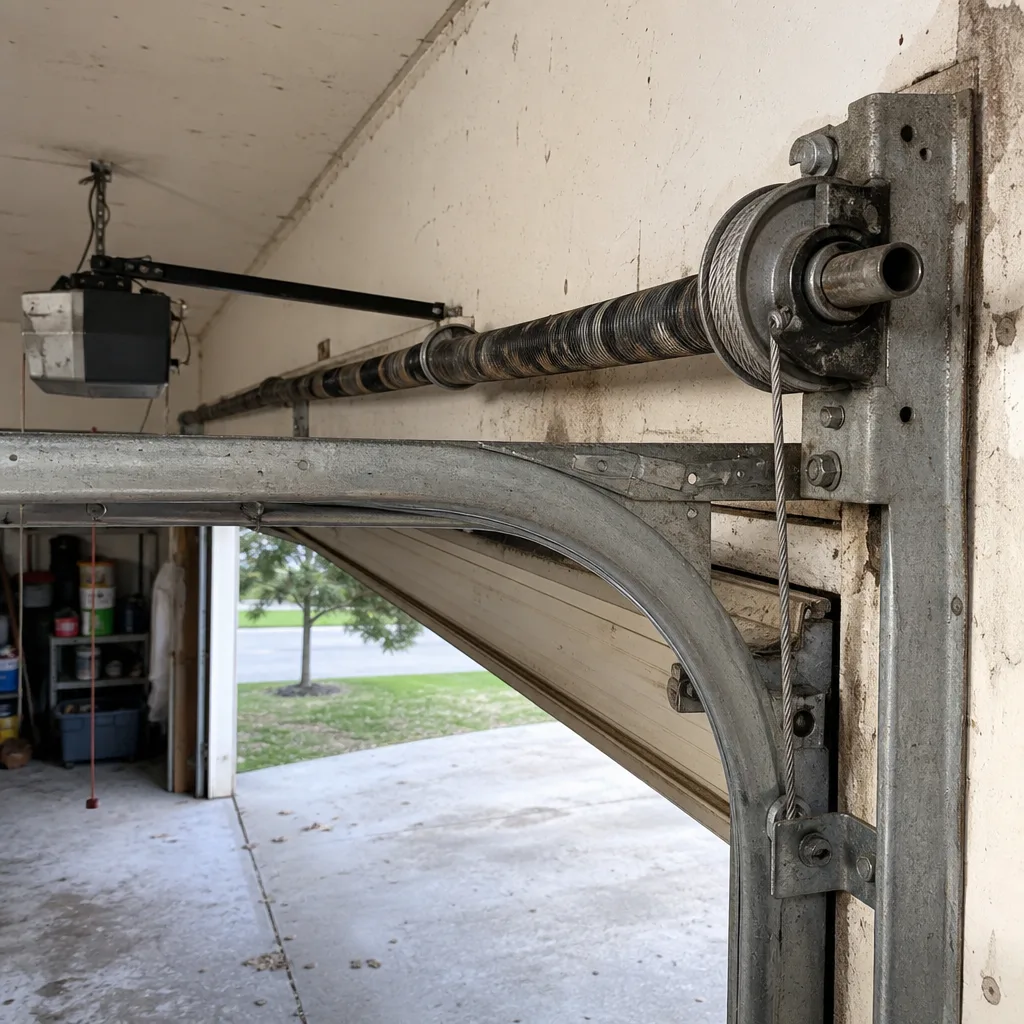 Before
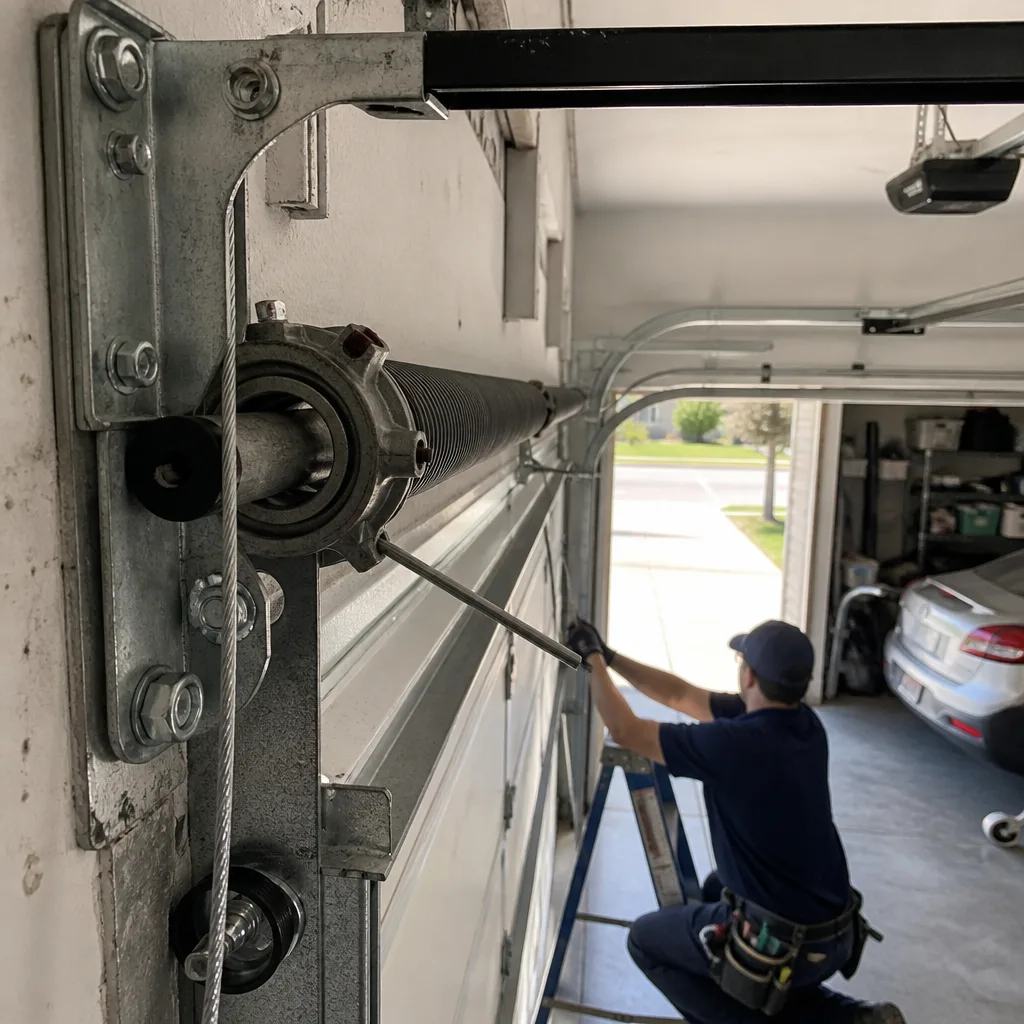 After
AfterGenie Opener Logic Board Repair: The Denton Owner’s Guide
A Genie opener logic board repair in Denton typically costs $120-$320 installed, depending on which Genie series you have and whether we’re replacing the board outright or fixing a failed relay or capacitor on the existing one. Most Denton homes we visit are running either an IntelliG, PowerMax, or ChainMax series, and we stock compatible boards for all three on the truck. It’s usually a same-day diagnosis and we can complete the board swap in about an hour once we confirm the match.
How owners usually find us: the opener worked fine yesterday. Today the wall button does nothing, or the remote lights up but the motor never engages, or the door opens halfway and reverses for no reason anyone can see. You check the breaker, swap the remote battery, maybe smack the motor housing once out of frustration. Then you call us. The conversation usually starts with “I think it’s the board” and roughly seven times out of ten, it is. The other three are limit switches, the wall console, or a capacitor that costs $40 instead of $200. Our job is to figure out which one before we spend your money.
Which Genie Models This Applies To
Genie has used three main control board families over the last 15 years, and they are not interchangeable. The IntelliG series (sold roughly 2011 through 2018, model numbers like 1000, 1200, 1500, 2000) uses a rectangular board with a single diagnostic LED and a black plastic cover. The PowerMax series (2014 through 2020, models 1200, 1500, and the ReliaG 850) moved to a sealed grey housing with a ribbon connector that threads up to the motor. The current ChainMax and belt-drive units, including the 1022, 2022, and 3022, use a compact integrated board that also carries the WiFi module on higher trims.
The gotcha: two openers that look identical from the outside can have different revision numbers on the board, and Genie changed the harness pin layout between revisions. The board pulls its revision from a sticker on the back of the PCB, not from the model number on the motor cover. We check the sticker before we order or install anything. If the board is dead enough that we can’t read the label, we cross-reference the motor serial number, which lives on a plate near where the rail meets the powerhead. As for OEM versus aftermarket: for Genie specifically, we lean OEM when the part is still in production because the aftermarket clones have a rough history with the IntelliG’s diagnostic circuit. On discontinued series where OEM stock is gone, we use a vetted aftermarket supplier and warranty the install the same way. One more thing worth knowing: Denton’s summer heat shortens the life of electrolytic capacitors on these boards. We see board failures more often in August than any other month, usually right after a heat wave. A board that spent five summers in an uninsulated Denton garage has lived a full life.
Signs Your Genie Opener Logic Board Is Failing
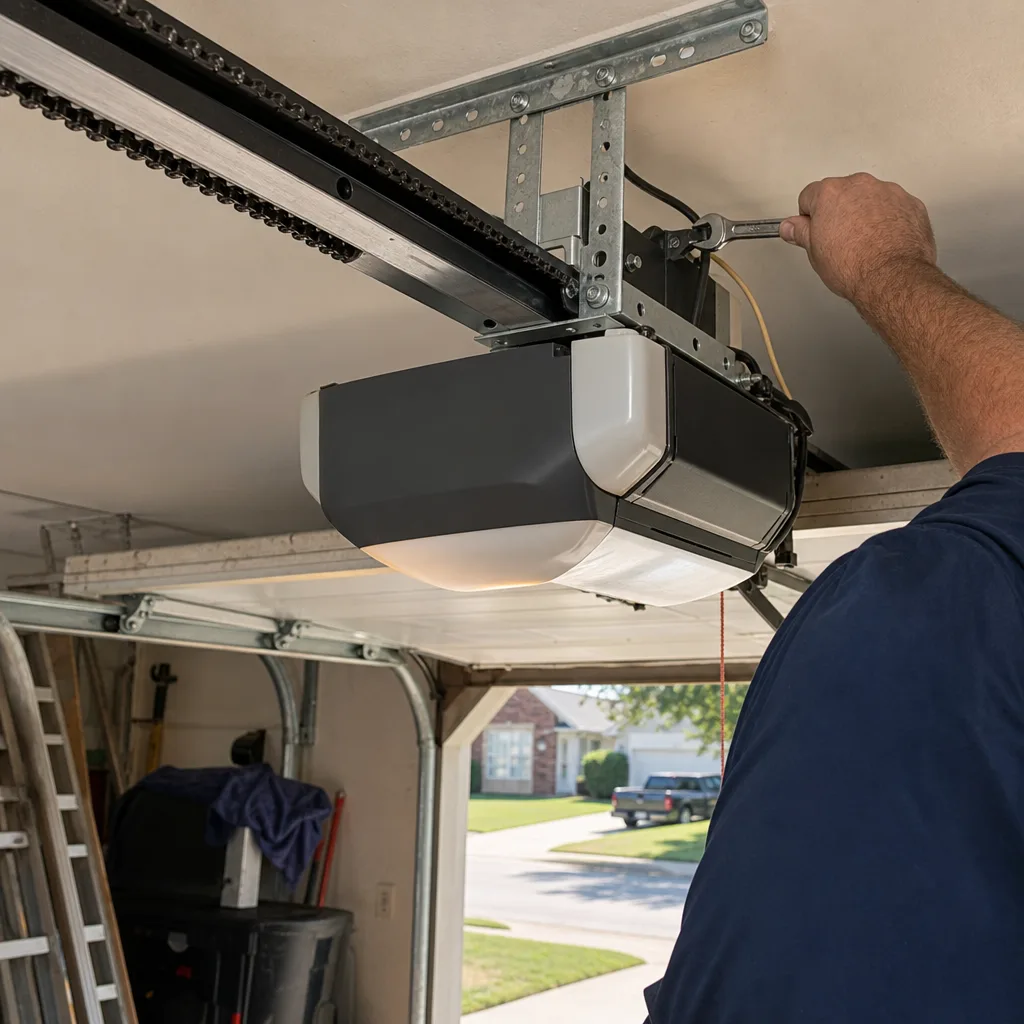
- Wall button and remotes both stop working, but the opener still has power. The logic board receives signal from both inputs and sends the command to the motor. When both inputs fail while the unit still hums, the common failure point is the board’s receiver circuit or the main relay. A failed wall console alone would leave the remotes working.
- The door reverses immediately after touching the floor and the lights blink. That’s the safety sensor circuit faulting. Sometimes it’s genuinely a misaligned eye, but when the sensors are clean and aligned and the pattern still blinks, the board’s sensor input channels have drifted or failed. We test the sensors with a jumper at the board terminals to isolate which side is at fault.
- The opener runs but the diagnostic LED blinks a code that isn’t in the manual. Genie boards use a specific blink pattern system. A board that flashes a sequence the manual doesn’t list, or flashes erratically, has usually suffered a voltage regulation failure. The manual can’t help you with a board that doesn’t know what’s wrong with itself.
- The motor hums for half a second and stops, repeatedly. This can be a failed start capacitor, which is a $40 part and a ten-minute fix. But if the capacitor tests good and the behavior persists, the board’s motor relay contacts have pitted and can no longer hold the circuit closed. We check the capacitor first because it’s cheaper and we’d rather sell you a $40 fix when that’s what the evidence shows.
- The opener works, then randomly refuses to respond for minutes or hours. Thermal intermittent failures are the signature of a board on its way out. A hairline crack in a solder joint expands with heat and breaks continuity, then contracts and reconnects when things cool. These are the hardest to diagnose because the board behaves when we arrive. We document the behavior and can test under heat load to force the failure.
BeforeAfterReplacement Cost & What’s Included
For Genie opener logic board repair in Denton, the installed price runs $120-$320. The board itself accounts for most of that spread: current ChainMax boards land around $90-$140 for the part, while discontinued IntelliG boards run $150-$220 when we can source them through our supplier network. Labor is flat and quoted upfront, so the difference you see between quotes is almost always the part, not the labor rate.
Every logic board job includes the diagnostic time, the board, installation, programming of your remotes and keypad if applicable, and a full opener test cycle with the travel limits checked. We leave you with a written invoice that shows the part we installed, the revision number, and the photo record of the failed board before we removed it. Clause 4 of The Haven Standard is exactly this: the technician photographs the failed component before quoting a replacement. You don’t have to take our word that the board was bad. You’ll have a picture of the swollen capacitor or the burnt relay that we can point to and name. The price is written and agreed before we touch a screwdriver. If the board works but another part fails during the job, we stop and show you before we spend a dollar you didn’t approve.
DIY or Call Us?
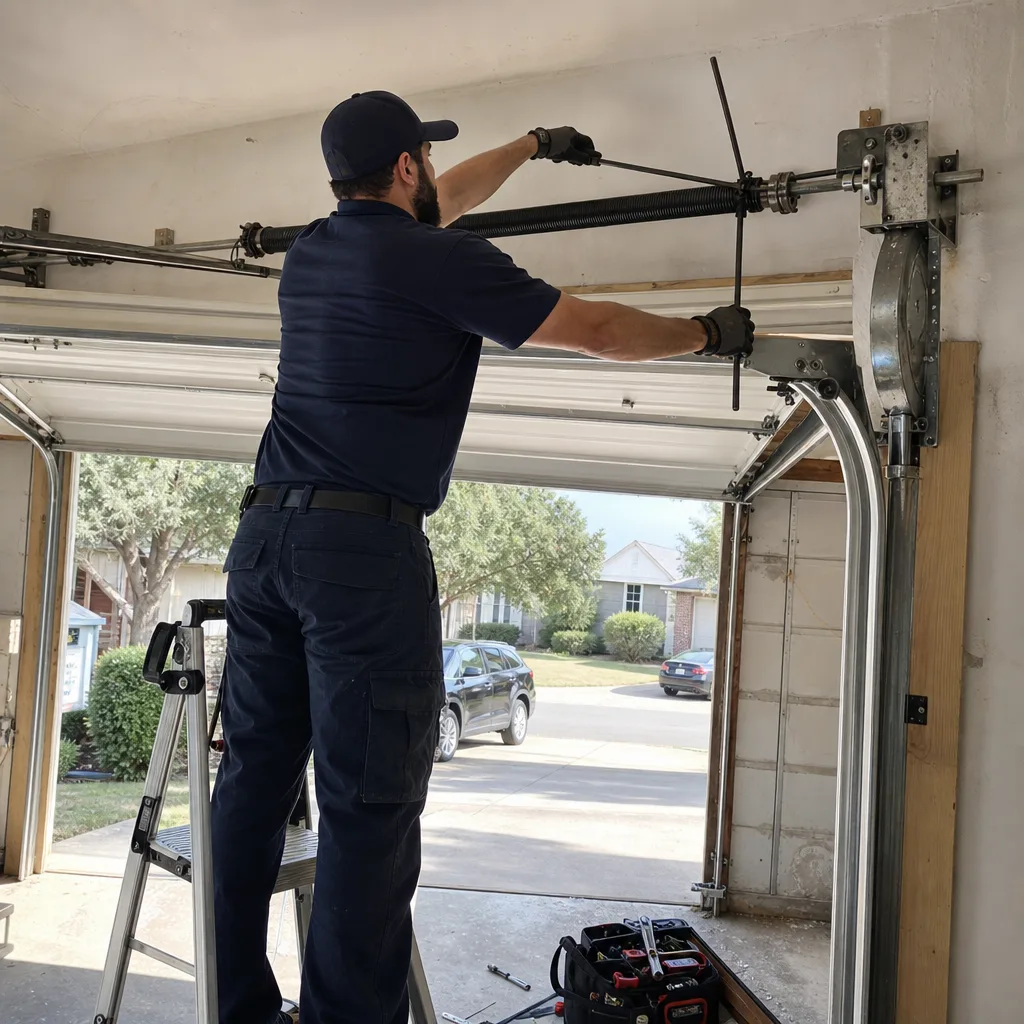
A logic board is one of the safer components to swap yourself, but there’s a caveat. The powerhead must be unplugged before the cover comes off, and we mean unplugged from the wall, not just powered down at the wall button. The board runs on low voltage, but the powerhead has line voltage internally and the capacitor holds a charge even after the unit is unplugged. If you’re trying to test whether the board is the issue before replacing it, you can unplug the unit, open the cover, and look for obvious visible damage: a bulging capacitor top, a scorched or blackened relay, or a cracked trace. Checking is fine. Probing a live board is not.
Where DIY usually goes wrong is ordering the wrong revision. We get calls from Denton homeowners who bought a board online, installed it themselves, and now have a bricked opener that won’t respond to anything. The board family matched. The revision didn’t. That’s a $150 mistake that didn’t have to happen. If you want to do the swap yourself and just need the right part number confirmed, bring the opener serial number and we’ll verify it at no charge. If you want us to handle it, call (940) 398-6880 and we’ll be out with the part on the truck, a written price before anything happens, and a photo of the evidence when we’re done.
FAQs
In a Denton garage that isn’t climate-controlled, expect 6 to 10 years from the board before something fails, with the hot months being the usual trigger. Boards in insulated garages can go 12-15 years. The failure is usually a capacitor, not the board’s logic chip itself, which is why some boards can be repaired rather than replaced. Call (940) 398-6880 if your opener is in that age range and acting up, and we’ll test it before quoting anything.
Sometimes. A bulged capacitor can be desoldered and swapped for about $60-$90 total, and we stock common capacitor values. A burnt relay is a $50-$80 repair. A failed microcontroller or a cracked multi-layer trace means the board goes in the bin and a replacement goes in. The decision is made on the bench with the board in front of us and you get a picture of the fault either way. Call (940) 398-6880 for a diagnostic visit and written price.
Most Genie logic board swaps take about an hour from opening the cover to testing the door with your remotes reprogrammed. If we need to source a discontinued board revision, that’s a 2-3 day order from our suppliers, and we schedule the install when the part arrives. The install itself is always same-visit.
We carry common Genie-compatible boards for the ChainMax, PowerMax, and IntelliG series, plus the capacitors and relays needed for repairs. If you have an older or less common revision, we can typically have it in 2-3 days. Either way, you’ll get a written quote before we begin, and the board part number will be on the invoice.
Written by Marcus Deller, Owner, Servo Garage Doors Denton at Servo Garage Doors Denton, serving Denton and nearby areas.